
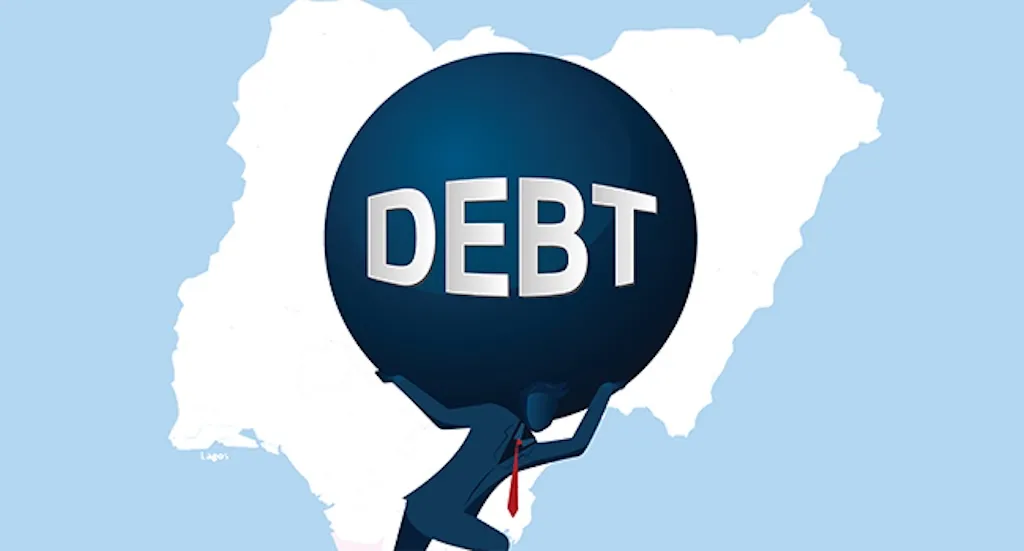
Nigeria's financial landscape hangs in the balance as the nation grapples with an alarming debt crisis. Recent reports reveal that the country’s borrowing habits have led to a staggering accumulation of debt, raising serious concerns about its long-term economic viability. With major credit rating agencies consistently rating Nigeria below 'investment grade,' alarm bells are ringing. This trend jeopardizes the nation’s ability to attract foreign investment, which is crucial for sustainable growth. The question on everyone’s mind is: should Nigeria continue this reckless borrowing spree?
The crux of the issue lies in the way Nigeria approaches its borrowing strategy. Unlike individuals or corporations that provide collateral to secure loans, the Nigerian government operates under a different set of rules. Lenders assess a country's capacity to repay based on various economic indicators such as GDP size, inflation rates, and public debt levels. As the country races to secure more loans, the lack of a clear repayment plan raises eyebrows. According to financial experts, failing to establish a robust strategy for managing debt obligations could spell disaster for Nigeria’s economy.
Historically, Nigeria has a complex relationship with debt. The country has relied on borrowing for decades, often without a clear understanding of the repercussions. Past administrations have set a precedent of kicking the debt repayment can down the road, leading to a culture of financial irresponsibility. This ongoing cycle has left Nigeria's economy vulnerable to fluctuations in global markets, particularly as it continues to depend heavily on oil revenues. The nation’s reliance on external financing without addressing internal economic structures creates a precarious situation.
The impact of Nigeria's borrowing spree is felt across various sectors. Citizens grapple with rising inflation and a depreciating currency, while businesses struggle to operate in a volatile economic environment. Experts warn that the current borrowing practices could lead to a fiscal crisis that would have far-reaching consequences for Nigeria and its citizens. Reactions from financial analysts stress the urgent need for reforms to restore confidence in Nigeria’s economic policies and governance. If left unchecked, this trend threatens not only the economy but also the livelihoods of millions.
Looking ahead, Nigeria must act decisively to change its borrowing narrative. Policymakers need to prioritize transparency and accountability in financial dealings. Observers anticipate that without significant reforms, Nigeria could face a debt crisis that rivals previous economic downturns. As discussions around fiscal responsibility gain momentum, the nation stands at a crossroads, and the decisions made today will resonate for generations. The time to act is now, and the world will be watching closely.