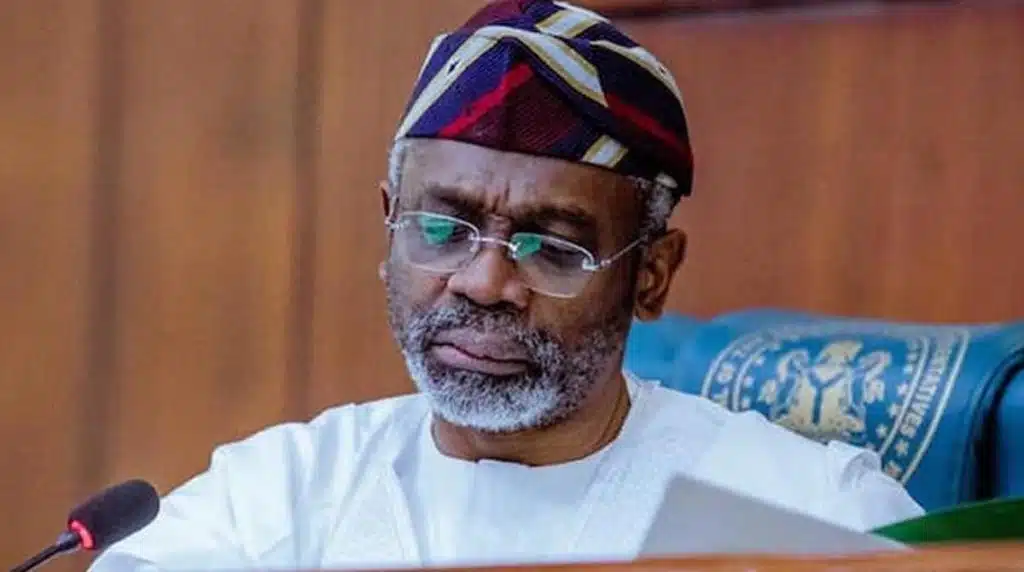
In a controversial proposal, Femi Gbajabiamila, the Speaker of Nigeria's House of Representatives, has called for special promotions for police officers connected to President Bola Ahmed Tinubu. This initiative, announced on May 23, 2026, has sparked intense debate across the nation, as it comes at a critical time when citizens demand police accountability and reform. Many Nigerians are questioning the motivations behind this push, especially with the backdrop of ongoing scrutiny concerning police conduct and governance in the country.
Gbajabiamila's proposal reportedly includes a detailed plan for promoting officers who have shown loyalty to Tinubu's administration. "These officers have demonstrated exemplary service, and it is time we recognize their contributions to maintaining law and order," he stated during a press briefing. This statement, however, has drawn criticism for potentially prioritizing allegiance over merit in a police force that has faced allegations of corruption and misconduct. The timing of this announcement raises concerns among citizens who are advocating for a more transparent and accountable police system.
Historically, Nigeria's police force has been marred by issues of corruption and human rights abuses, creating a significant rift between law enforcement and the public. The End SARS protests in late 2020 highlighted deep-seated grievances against police brutality, leading to widespread calls for reform. In light of these events, Gbajabiamila's push for promotions may appear to contradict the very reforms that many Nigerians are desperately seeking. The proposal seems to suggest a return to a status quo that many have fought against, raising alarms about the future of police integrity in Nigeria.
The implications of this proposal are far-reaching. If implemented, this initiative could reinforce a culture of favoritism within the police force, undermining public trust further. Law enforcement officials and advocacy groups have expressed mixed reactions, with some viewing it as a necessary recognition of service, while others see it as a dangerous precedent. "This could set us back in our quest for genuine police reform, which is crucial for Nigeria's democratic process," warned a prominent human rights activist. The public's response has been largely skeptical, with many taking to social media to voice their concerns about the integrity of the police force.
Looking ahead, the public and analysts alike are keen to observe how this proposal unfolds. Will Gbajabiamila's push succeed, or will it galvanize further calls for police reform? As discussions heat up, Nigerians will be watching closely, eager to see whether this move will lead to deeper transparency or if it will reinforce existing issues within the system. The coming weeks will be crucial in determining the future trajectory of Nigeria's law enforcement and governance, as citizens demand accountability and reform in a time of uncertainty.