
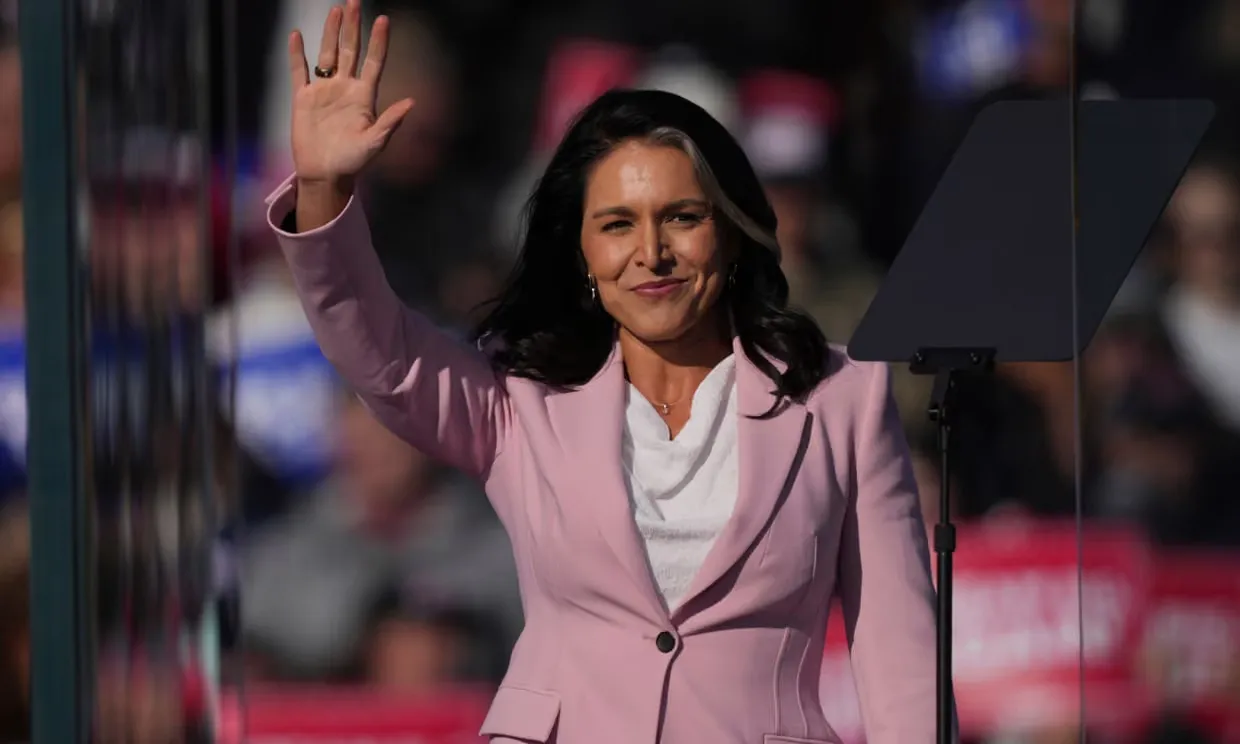
In a stunning announcement that sent ripples through the intelligence community, Tulsi Gabbard, the US Director of National Intelligence, has resigned. Gabbard submitted her resignation on Friday, driven by a profoundly personal reason: her husband, Abraham Williams, has been diagnosed with bone cancer. "I cannot, in good conscience, ask him to face this fight alone while I continue in this demanding position," she stated, capturing the emotional weight of her decision. Her departure marks a significant shift in leadership during a pivotal time for national security.
Gabbard expressed her deep commitment to her husband, who has stood by her through countless challenges over their eleven-year marriage, including her deployments and political campaigns. "Abraham has been my rock throughout our eleven years of marriage," Gabbard shared, highlighting the strength of their bond. This resignation comes as the country grapples with various pressing security issues, making her exit particularly impactful. Experts note that her leadership brought fresh perspectives to the intelligence sector, emphasizing the importance of balancing personal and professional responsibilities.
This moment didn't arise in a vacuum. Gabbard's journey in public service has been marked by her unique experiences, from her military background to her political endeavors. She became a prominent figure in American politics, known for her bold stances and unwavering commitment to her beliefs. Her tenure as the intelligence chief represented a significant milestone, not only for her personally but also for the representation of women in leadership roles within national security. However, the pressures of such a demanding position can take a toll, especially when family health crises emerge.
The implications of Gabbard's resignation extend far beyond her personal life. Officials and experts within the intelligence community are already expressing concern about the timing of her departure, as the nation faces critical security challenges. The loss of Gabbard’s leadership could create a temporary vacuum, complicating ongoing efforts to address national and global threats. Many are left wondering how her absence will affect ongoing operations and the morale of her team. Her decision resonates deeply, reminding the public of the human element behind political roles and the sacrifices leaders often make.
Looking ahead, the Biden administration must act swiftly to fill the leadership void left by Gabbard. Observers expect an urgent search for a capable successor who can maintain continuity in intelligence operations and respond adeptly to emerging threats. This resignation could catalyze discussions about the balance between personal struggles and professional obligations in high-stakes positions. As Gabbard focuses on her family, all eyes will be on the administration's next move and the ongoing evolution of America's intelligence landscape.