The Nigeria Democratic Congress (NDC) is in crisis mode as tensions flare within its Kano State chapter. Reports surfaced on Tuesday of a brewing conflict regarding the allocation of party positions between veteran members and newcomers from the Kwankwasiyya Movement. In a bid to defuse this volatile situation, the party’s National Publicity Secretary, Osa Director, announced that mediation efforts are underway. The urgency of the matter is underscored by a crucial closed-door meeting held between the NDC's national leadership and Kwankwasiyya representatives.
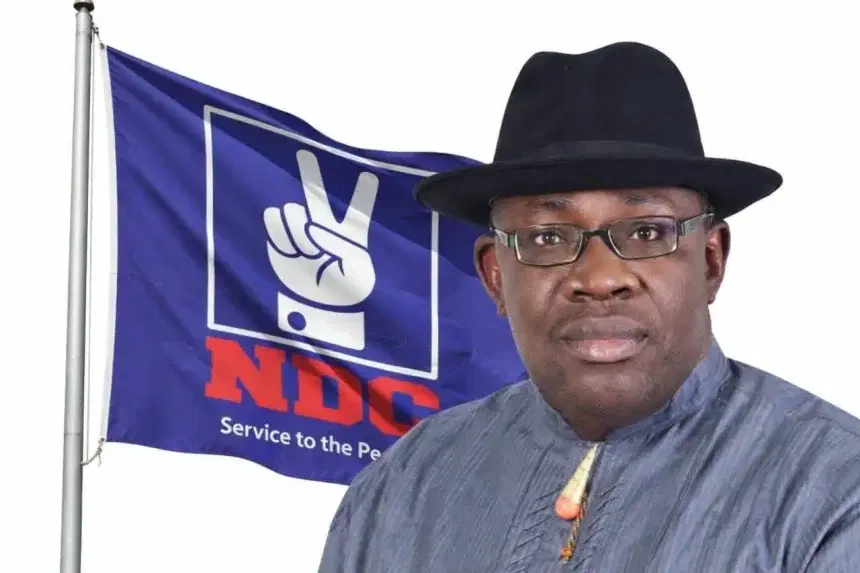
This high-stakes meeting, featuring NDC National Leader Senator Henry Seriake Dickson, sought to address the deepening rift that has emerged over a controversial power-sharing agreement. According to the NDC’s statement, discussions aimed to promote unity by ensuring all members, both old and new, feel included in the party’s decision-making process. “Senator Dickson and the NDC leadership are mediating in the process to enhance inclusion and participation by every party member,” the statement emphasized, highlighting the party's commitment to internal harmony.
Historical context reveals that tensions are not new within the NDC. The current discord traces back to the defection of former Kano State governor Rabiu Musa Kwankwaso and his supporters to the NDC. Following this significant shift, a power-sharing framework was established — with a 60-40 division in favor of the Kwankwasiyya bloc for executive positions and electoral tickets. However, the recent emergence of an alleged candidates’ list has reignited accusations from longstanding members who claim that the Kwankwasiyya Movement is not honoring the agreement, creating further divisions.
The implications of this internal strife are extensive. Party members are left in uncertainty, while the NDC risks losing its credibility if it cannot resolve the conflict swiftly. Officials and party leaders have expressed concern about the potential fallout, with many fearing these tensions could fracture the party's unity in a critical election year. “We will not impose candidates in Kano State, and indeed across the nation,” the NDC firmly stated, reinforcing its dedication to internal democracy amid the chaos.
Looking ahead, NDC stakeholders are urged to remain vigilant as the mediation process unfolds. The party’s leadership is expected to continue engaging with members to ensure a resolution that honors the power-sharing agreement while fostering unity. As the situation develops, voters and party members alike should watch for updates on the candidate selection process and any further statements from NDC leadership. The stakes have never been higher for the NDC as it navigates this turbulent chapter in its history.