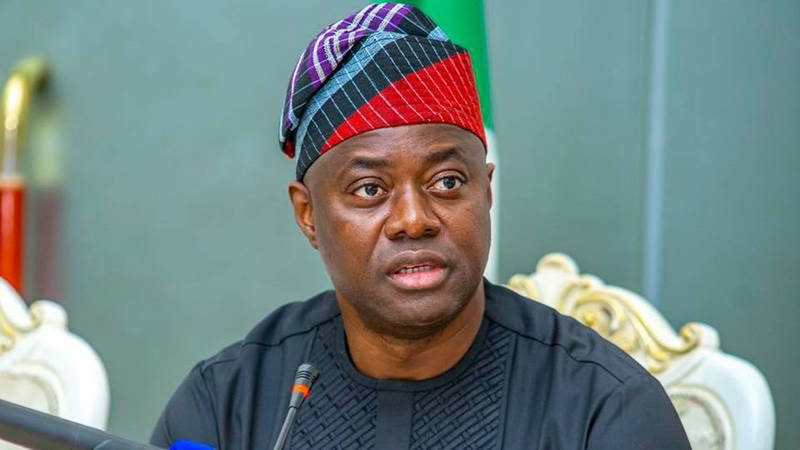

In a move that could reshape Nigeria's political landscape, Gawuna is preparing to leave the National Democratic Congress (NDC) to join the African Democratic Congress (ADC). This dramatic decision comes amidst ongoing consultations and strategic discussions that have captured the attention of political analysts and citizens alike. The shift, expected to take place soon, raises questions about the motives behind such a significant political realignment, especially in the context of Nigeria's turbulent political climate.
Sources close to Gawuna reveal that he has been engaging in high-stakes discussions with key ADC leaders, aiming to finalize terms that align with his political aspirations. These consultations, which have been described as "ongoing," suggest that Gawuna is weighing demands and offers that could bolster his influence in the ADC. "We are exploring the possibilities and assessing what is best for our supporters and our vision for the future," Gawuna reportedly stated, emphasizing the importance of strategic decision-making in Nigerian politics.
Gawuna's potential departure from the NDC is not merely a personal decision; it is the culmination of months of political maneuvering. The NDC has faced internal strife and criticism, particularly regarding its handling of recent electoral challenges. Many observers note that Gawuna's discontent with the party's direction may have accelerated his decision to seek a new political home. Historically, such shifts have altered the balance of power in Nigeria, leading to significant changes in governance and policy direction.
The implications of Gawuna's pending switch extend beyond party lines. His move could significantly impact the political dynamics in Nigeria, potentially galvanizing ADC supporters and drawing disillusioned NDC members. Political analysts warn that this shift could lead to increased polarization within Nigeria's already fragmented political landscape. "This could be a game-changer, not just for Gawuna but for the ADC as it seeks to position itself as a viable alternative to the dominant parties," commented Dr. Amina Bello, a political scientist at the University of Lagos.
As Gawuna prepares to make his announcement, all eyes will be on the ADC and how it plans to leverage this opportunity. Will Gawuna's transition lead to a stronger opposition against the ruling parties? Citizens and political watchers are eagerly anticipating the outcomes of these discussions, with many asking how this will influence upcoming elections. The political tides in Nigeria are shifting, and Gawuna’s next steps will likely set the tone for the future of the nation’s political landscape.