
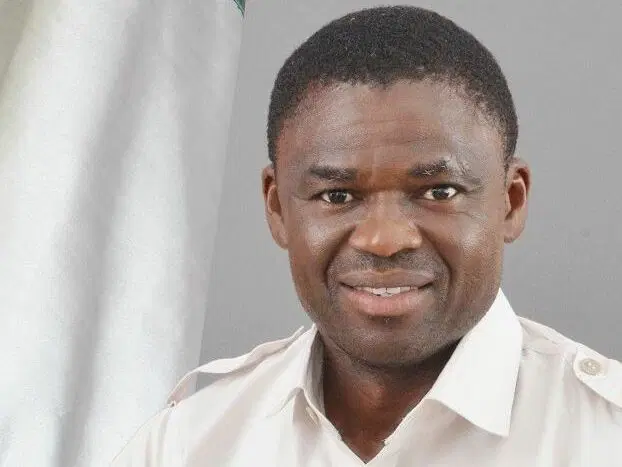
Philip Shaibu, the former deputy governor of Edo State, has declared that the People’s Democratic Party (PDP) is on the brink of collapse under the weight of its own failures. Speaking in a candid interview, Shaibu pointed to a significant shift in Nigeria’s political landscape since President Bola Ahmed Tinubu took office. He asserted that Tinubu's strategic reforms, particularly in sports, are driving a wave of defections to the ruling All Progressives Congress (APC) as Nigeria gears up for the 2027 elections. This statement comes as Nigeria grapples with economic hardship, further complicating the political climate.
In his role as the Director-General of the National Institute for Sports (NIS), Shaibu emphasized the importance of sports in national unity and youth engagement. He explained, "The President has made sports a cornerstone of his administration, enhancing budgets and appointing capable leaders to revamp the sector." Under his leadership, the NIS has undergone significant transformations, including curriculum updates and expansion into all six geopolitical zones. This initiative aims to address the critical shortage of over 500,000 coaching positions in Nigeria, which could profoundly impact the nation’s sporting success and youth development.
Historically, the PDP has been a dominant force in Nigerian politics; however, recent events have revealed cracks in its foundation. The party has struggled to maintain its relevance and support amidst rising discontent over economic hardships and governance issues. Shaibu's comments reflect a broader trend: as the APC gains momentum through targeted reforms, the PDP's influence continues to wane. This shift in allegiance could reshape the political dynamics leading up to the next general elections.
The consequences of this political reconfiguration are profound. As key figures like Shaibu mobilize former leaders of the National Association of Nigerian Students (NANS) to support Tinubu, the PDP faces an uphill battle to regain trust and support. Citizens across Nigeria feel the impact of these changes, with many expressing hope for improved governance and economic stability. Experts warn that the ongoing defections could lead to a significant realignment in political power that may affect policy and governance strategies on a national level.
Looking ahead, all eyes will be on the actions of both major parties as the 2027 elections approach. Shaibu's efforts to rally support for the APC signal a strategic move that could further destabilize the PDP. As Nigeria navigates these turbulent political waters, the future of its governance and economic recovery hangs in the balance, making it essential for citizens to stay informed and engaged in the evolving narrative.