
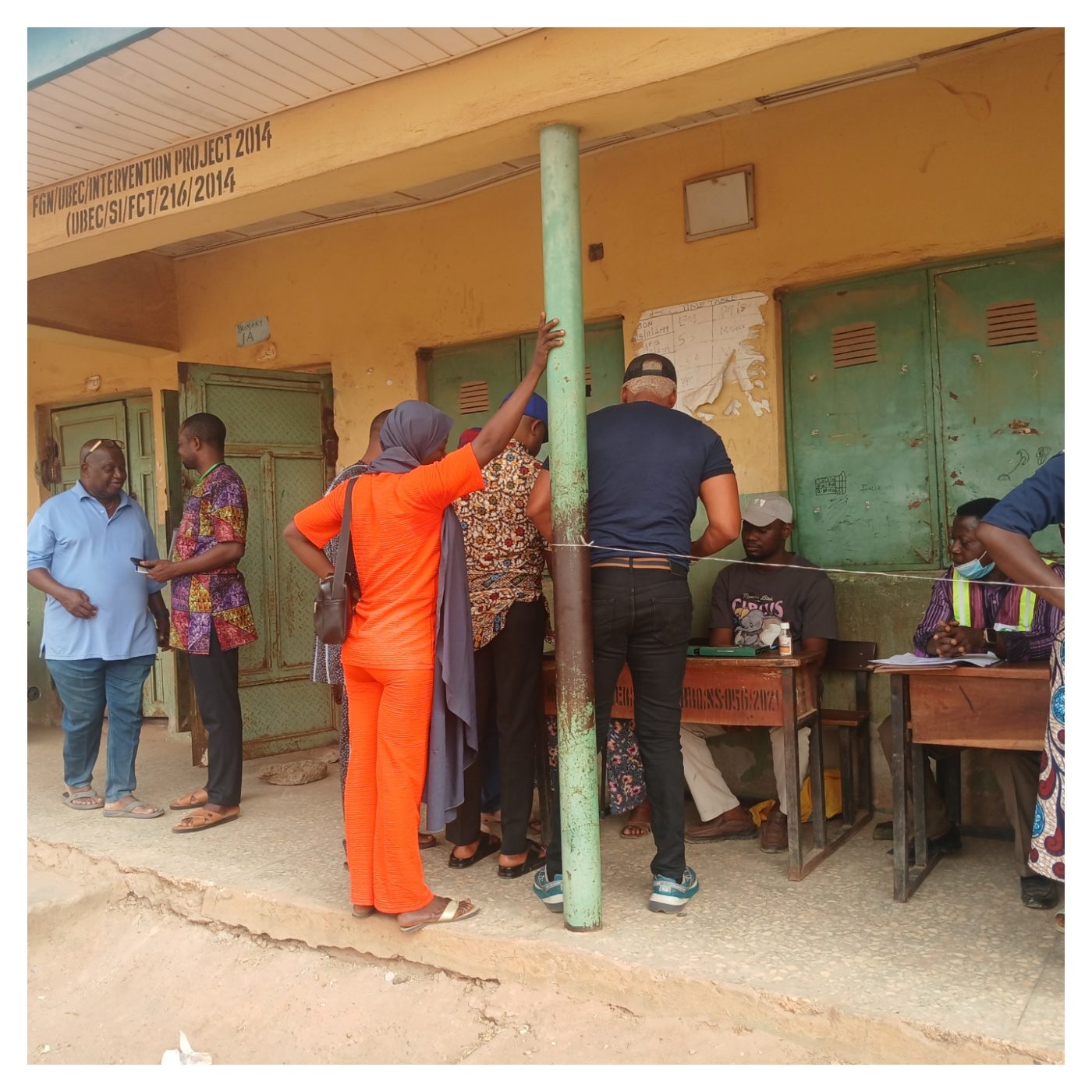
As the clock ticks down to the Ekiti State governorship election set for June 20, 2026, civil society organizations are raising urgent red flags about the Independent National Electoral Commission's (INEC) level of preparedness. During a media briefing in Ado-Ekiti, the capital, these groups expressed serious concerns that unless key operational and security issues are swiftly addressed, the credibility of the upcoming poll could be at serious risk. They highlighted a staggering 34 percent preparedness rate from INEC across the state’s 16 local government areas as of April 14, 2026, signaling deep-rooted problems that could undermine democratic processes.
The European Union Support to Democratic Governance in Nigeria Phase Two (EU-SDGN II) program facilitated this eye-opening assessment, which pinpointed critical issues such as delayed election funding, a lack of operational vehicles, and poor infrastructure as significant obstacles. Furthermore, the report outlined that the challenges facing collation centres pose a direct threat to the election’s integrity. "If these gaps aren't fixed immediately, we risk a repeat of past electoral failures that have plagued our democracy," warned a representative from one of the civil society groups, underscoring the urgency of the situation.
Historically, Ekiti has faced numerous electoral challenges, from allegations of vote-buying to political violence. The warning from civil society groups comes in the wake of past elections marred by irregularities, leading to public disenchantment with the electoral process. Moreover, the alarming classification of Ado-Ekiti, Ikole, Moba, and Ilejemeje as high-risk areas for potential electoral violence raises further concerns about the safety of voters and the overall conduct of the election. These issues echo sentiments from previous polls where inadequate preparation led to a compromised voting environment.
The implications of these findings are profound, affecting not only the immediate stakeholders but also the broader Nigerian populace. With election integrity on the line, citizens, political analysts, and officials are closely monitoring INEC's response. The groups have also raised serious alarms over the exclusion of women and persons with disabilities from the electoral race, noting that none of the 13 political parties have fielded a female candidate. This lack of representation could further exacerbate feelings of disenfranchisement among key demographics, resulting in widespread disillusionment with the democratic process.
Looking ahead, all eyes will be on INEC as they face mounting pressure to rectify these issues before the election date. Voter education initiatives and enhancements to the BVAS and IReV systems are pivotal in boosting public confidence in the electoral process. As the election date approaches, the stakes rise, and the need for urgent action becomes ever more critical to ensure a transparent and credible election in Ekiti State.