
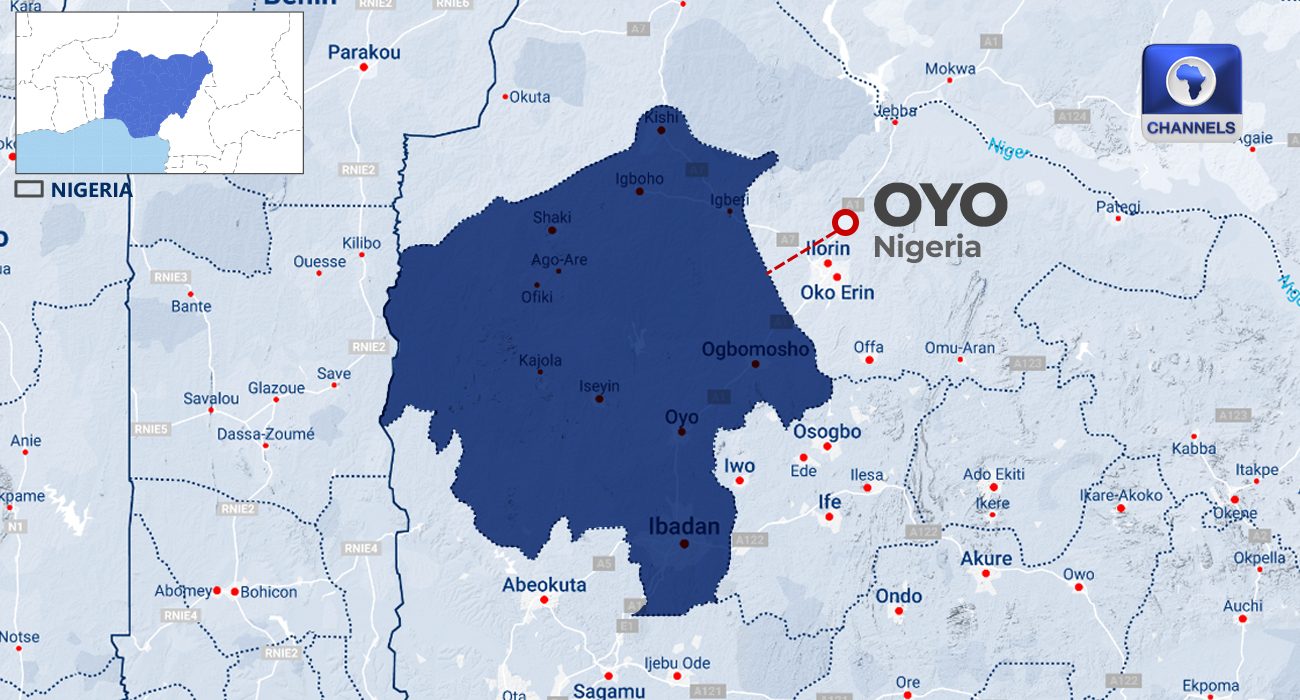
In a harrowing turn of events, three schools in the Oriire Local Government Area of Oyo State came under coordinated attack last Friday, sending shockwaves through the community. The pan-Yoruba socio-political group, Afenifere, did not hold back in expressing its outrage, calling for immediate action from state governments in the South-West. Afenifere’s National Publicity Secretary, Jare Ajayi, revealed that the organization's leader, Reuben Fasoranti, was particularly distressed, as this attack marred a week that should have been a celebration of his 100th birthday. The group lamented the suffering inflicted on victims and their families, while also praying for the swift recovery of the injured students and staff.
Afenifere’s statement highlighted the surge in violence across the South-West region, linking it to a broader trend of insecurity that includes kidnappings and banditry. “The recent attacks reinforce our fears that terrorists are hell-bent on overrunning the South-West and the entire southern region,” Ajayi stated, raising alarms about the current security situation. He criticized the recent actions of South-West governors, suggesting they have failed to grasp the gravity of their responsibility to protect their citizens. The organization questioned the effectiveness of security measures previously announced, such as the CCTV infrastructure in Ogun State and surveillance aircraft in Oyo State, calling for accountability and action.
This crisis is not new; it echoes a troubling history of insecurity that has plagued Nigeria in recent years. The rise of violent groups and the subsequent strain on law enforcement have led to a growing climate of fear among citizens. Afenifere pointed out that, despite the resolutions made by the six governors in the region, significant gaps remain in implementing effective security measures. The organization urged leaders to prioritize the safety of their constituents, emphasizing that government duty extends beyond mere promises.
The consequences of this escalating violence impact not only the immediate victims but also the entire South-West region. Parents live in fear as schools, once seen as safe havens for education, now become targets for attacks. The situation has drawn reactions from various sectors, with many calling for a unified front against terrorism and crime. Afenifere’s appeal for immediate action resonates deeply, urging state leaders to take decisive steps to ensure safety across communities. This is not just a regional issue; it holds implications for Nigeria's stability and security as a whole.
Looking ahead, citizens should remain vigilant as the situation evolves. Afenifere's call for action places pressure on South-West governors to step up and demonstrate their commitment to public safety. With the Inspector General of Police, Tunji Disu, recently visiting the site and announcing the establishment of a Violent Crime Response Unit, there is a glimmer of hope that these initiatives may help curb crime. However, only time will tell if these actions will translate into tangible improvements in the security landscape of the region.