
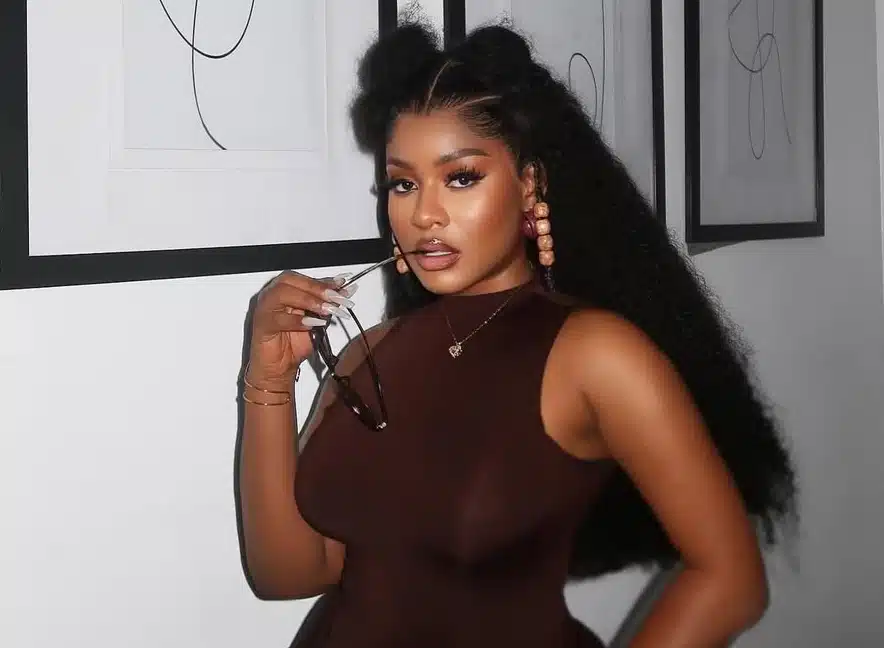
In a dramatic turn of events, reality television star Phyna has publicly apologized for mistakenly branding police officers as kidnappers during a recent incident. The controversy erupted on June 5, 2026, when Phyna took to social media to share her experience after a police encounter in Lagos. The shocking accusation sent ripples through the community, sparking outrage among law enforcement and fans alike. Phyna’s words ignited a heated debate about police conduct and public perception of safety in Nigeria.
Phyna's initial statement claimed that officers attempted to abduct her, a claim that quickly drew widespread condemnation. "I was wrong to label them as kidnappers without understanding the full situation," Phyna stated in her follow-up apology. The incident highlights the precarious relationship between citizens and police in Nigeria, a country grappling with high-profile cases of police misconduct and violence. Phyna’s apology, which she shared on her Instagram account, emphasizes the need for accurate communication, especially in sensitive matters involving law enforcement.
The tension between the Nigerian public and police has been escalating for years, particularly following the #EndSARS protests in 2020 against police brutality. This backdrop of mistrust and fear has made the relationship between citizens and police officers increasingly fraught. Phyna’s accusations and subsequent apology serve as a stark reminder of the delicate balance of public trust and the responsibilities that come with being a public figure. As an influencer, her words carry weight, influencing perceptions and potentially affecting public sentiment regarding the police force.
The fallout from this incident could have significant implications. Law enforcement officials have issued statements urging the public to report genuine cases of misconduct, but also stressing the importance of responsible speech. "We are committed to serving and protecting the community, but we also need the community to engage with us constructively," a police spokesperson remarked. The incident raises critical questions about accountability, public safety, and the role of social media in shaping narratives around law enforcement.
As the public digests Phyna’s apology, all eyes are on how this situation will unfold. Will it lead to more constructive dialogue regarding police conduct, or will it further entrench the divides between the police and the citizens they serve? The coming days will be crucial in determining the impact of this public apology on the ongoing discourse about policing in Nigeria, and whether it will inspire change or merely fade into the background of social media chatter.