
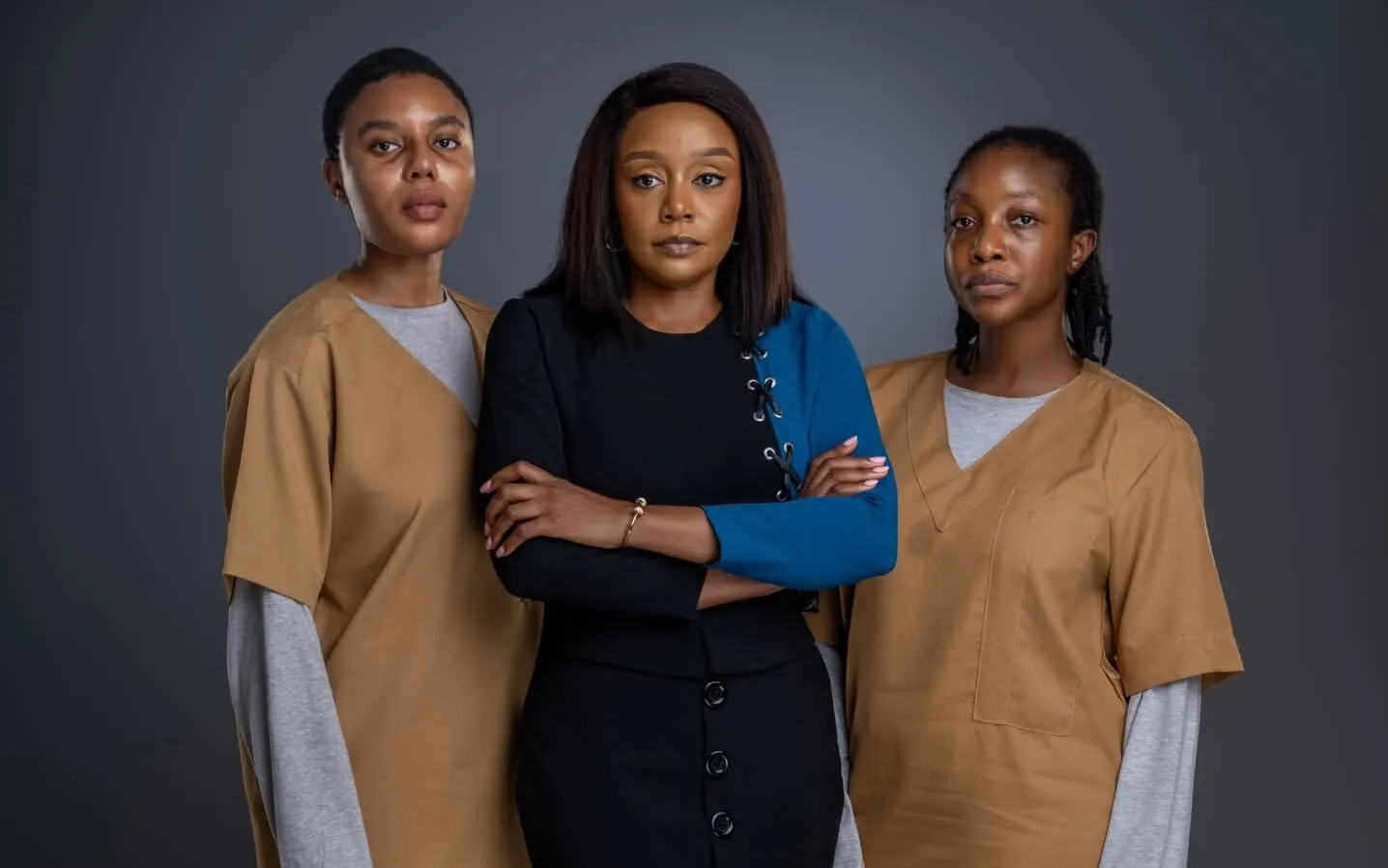
The release of the highly anticipated trailer for season two of 'Blood Sisters' on May 22, 2026, sent shockwaves through the Nigerian entertainment scene. After four years since its celebrated debut, fans eagerly awaited the return of this gripping series featuring beloved stars like Kate Henshaw, Ini-Dima Okojie, and Nancy Isime. However, the 67-second teaser unleashed a torrent of criticism on social media platforms, particularly on X (formerly Twitter), where viewers expressed their outrage and disappointment. The uproar revealed deep-seated concerns about the series' portrayal of Nigerian culture and realities.
Critics wasted no time dissecting the teaser, taking aim at various aspects, from the performances to the costuming choices. Many pointed out that the prison uniforms worn by the characters were far from the reality of Nigerian prisons, sparking heated discussions about accuracy in Nigerian storytelling. "These actors are wearing clothes that wouldn’t survive a day in a real Nigerian prison," one user remarked, while others echoed similar sentiments, highlighting the unrealistic depiction of prison life in Nigeria's climate. The backlash raises important questions about the balance between creativity and authenticity in Nollywood productions.
The controversy surrounding 'Blood Sisters' is not an isolated incident but part of a broader trend in Nigerian cinema. Over the years, Nollywood has faced scrutiny for its representation of cultural nuances, often prioritizing dramatic flair over realism. Past debates have included discussions about the portrayal of local dialects, societal issues, and even the depiction of Nigerian history. As the industry evolves, many filmmakers grapple with the challenge of entertaining audiences while staying true to the rich tapestry of Nigerian life.
The implications of this debate extend beyond just one series; they reflect a larger conversation about the identity of Nollywood itself. Fans and critics alike are divided over whether creative liberties can justify inaccuracies that might misinform audiences. Officials from the Nigerian Film Corporation have urged filmmakers to embrace authenticity in storytelling, asserting that the global audience deserves accurate representations of Nigerian culture. As discussions continue, many are left wondering how this will influence future productions and the expectations of Nigerian viewers.
Looking ahead, audiences can expect an increase in discussions surrounding authenticity in Nollywood. As 'Blood Sisters' gears up for its second season, viewers will be watching closely, ready to critique and celebrate the series' approach to storytelling. With the potential for a renewed focus on cultural accuracy, the future of Nollywood may hinge on how filmmakers respond to this growing demand for authenticity and representation in their narratives.


