
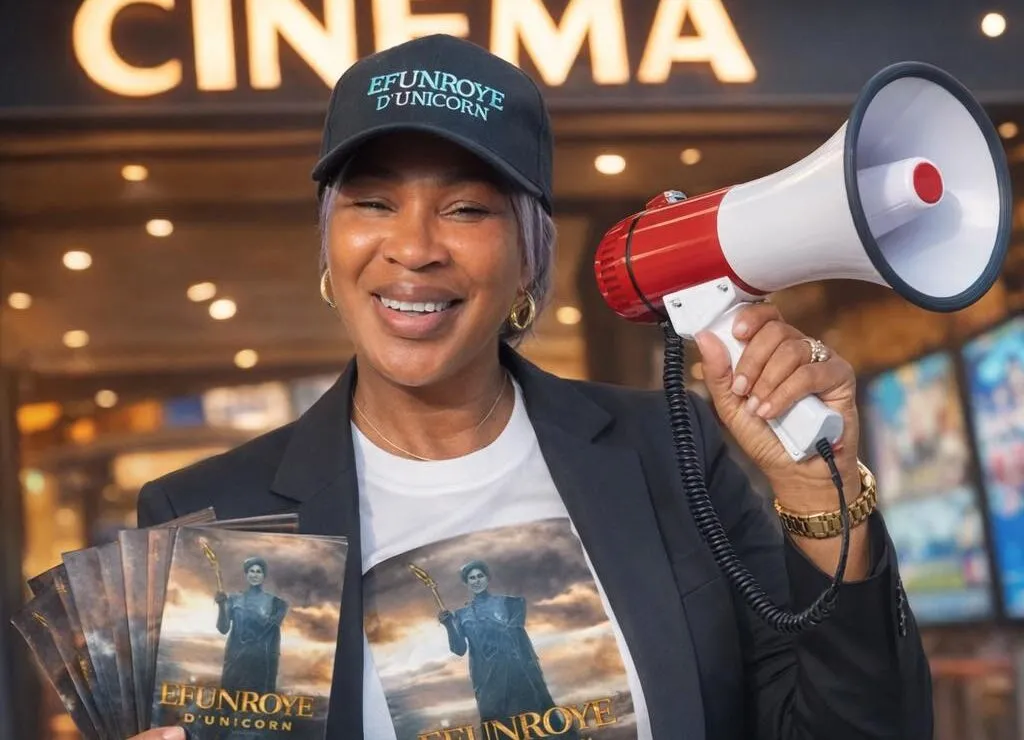
In a bold accusation that has shocked the film industry, Nollywood actress and filmmaker Faithia Williams has alleged that numerous cinemas are deliberately reducing the screenings of her latest production, 'Efunroye: The Unicorn.' This historical drama, which debuted in cinemas on May 1, dives deep into the life of Madam Efunroye Tinubu, a significant figure in 19th-century Yoruba commerce and politics. The film’s controversial themes, particularly its exploration of Tinubu's connections to the transatlantic slave trade, have sparked heated discussions across Nigeria, leading to Williams' frustration with the cinema industry's response.
Williams voiced her concerns in a passionate Instagram video, where she expressed disappointment over the limited opportunities for audiences to engage with the film. She stated, "The cinemas are not giving us a fair chance to showcase this important story. Efunroye Tinubu's legacy is complex, and our film aims to explore that, not to glorify it." The film, which has attracted significant public interest since its announcement, seeks to provide a comprehensive portrayal of a woman whose legacy remains a topic of debate among historians and the public alike.
The roots of this controversy lie in the historical context of Efunroye Tinubu’s life, who was an influential merchant and political figure in Lagos. As a prominent trader, she played a critical role in the economic landscape of her time, but her affiliations with the slave trade have led to polarized opinions about her legacy. Previous portrayals in literature and cinema have often glossed over these complexities, making Williams' interpretation particularly significant in today’s socio-political climate. The film challenges audiences to confront these uncomfortable truths, adding layers to the ongoing discourse surrounding Nigeria's historical figures.
The implications of Williams' allegations extend beyond just her film. Industry experts and film enthusiasts worry that if cinemas continue to restrict screenings based on controversial content, it could stifle artistic expression in Nollywood. Reactions from fans have been mixed; while some support Williams’ vision and push for wider screenings, others echo concerns about historical accuracy and representation. This situation underscores a larger battle within Nigeria’s entertainment industry, where the tension between artistic freedom and commercial viability often collides.
Looking ahead, observers are keen to see how the cinemas will respond to Williams' allegations. Will they reconsider their screening schedules, or will the controversy spark a broader conversation about the representation of historical figures in Nigerian cinema? This situation is far from resolved, and as 'Efunroye: The Unicorn' continues to provoke discussion, the film's journey may very well influence how future narratives are crafted and received in the industry.