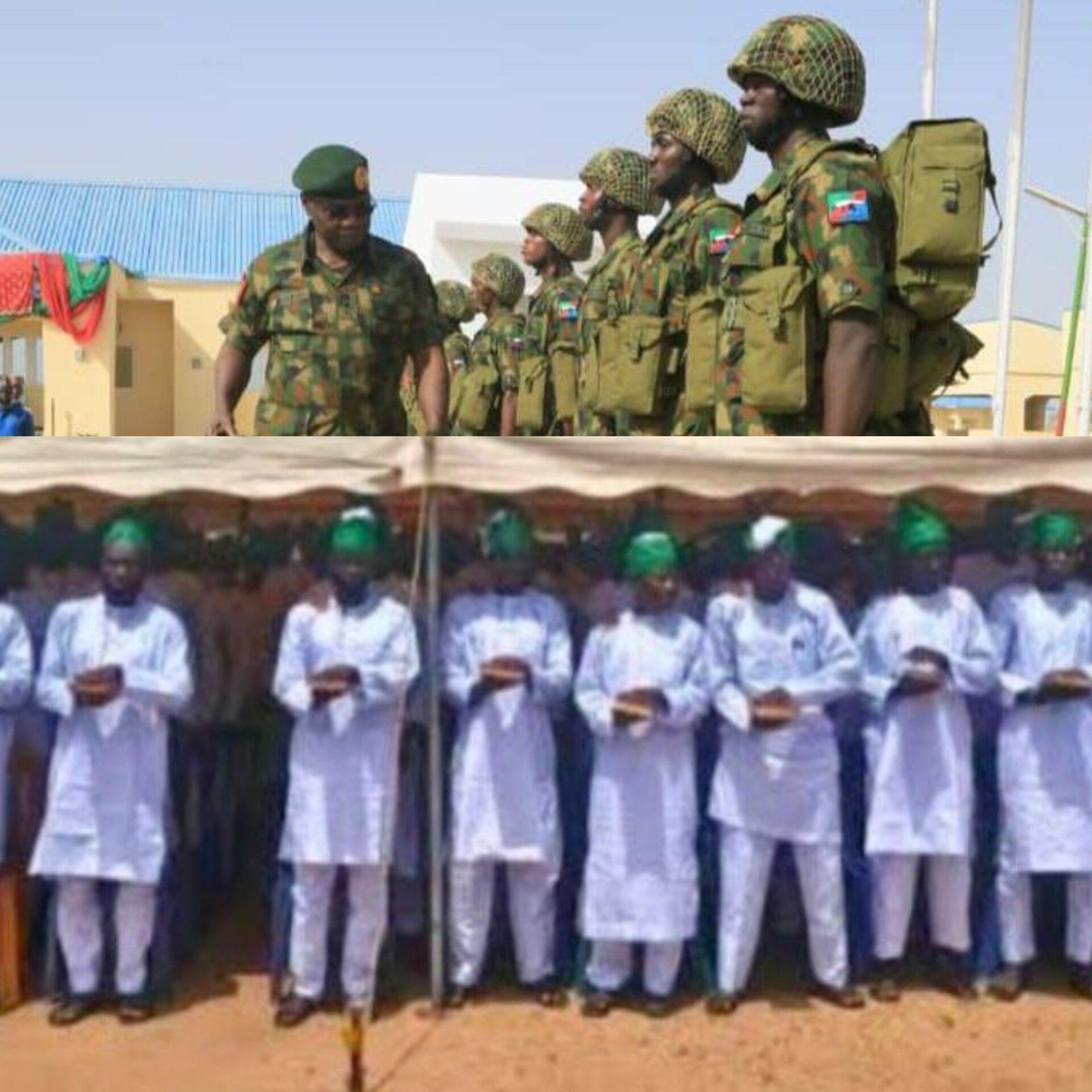
The Nigerian troops engaged in counter-insurgency operations in the North-East have reportedly rejected an alleged directive seeking to integrate former Boko Haram fighters into active military operations, citing serious security concerns and potential threats to ongoing operations.
According to reports, the soldiers expressed strong reservations about working alongside ex-insurgents who have passed through government-backed deradicalisation and rehabilitation programmes. The troops warned that sharing intelligence, operational strategies, accommodation, and combat responsibilities with former terrorists could expose military formations to sabotage and intelligence leaks.
The development has reignited debate over Nigeria's policy of rehabilitating and reintegrating surrendered insurgents, a programme designed to encourage defections from terrorist groups operating in the North-East.
Sources familiar with the matter said frontline troops view the alleged proposal as a significant security risk, arguing that trust remains a major challenge given the years of violent conflict between the military and insurgent groups. Many soldiers reportedly fear that former fighters could exploit their access to sensitive information, thereby undermining military operations.
The concerns come amid sustained efforts by security forces to weaken the activities of Boko Haram and the Islamic State West Africa Province (ISWAP), both of which have continued to launch attacks on military positions and civilian communities despite years of counter-terrorism campaigns.
While the Federal Government has maintained rehabilitation programmes for surrendered insurgents, critics have consistently questioned the long-term effectiveness of the initiative and its implications for national security.
As of press time, military authorities had not officially confirmed any policy directing the deployment of rehabilitated former insurgents alongside serving soldiers. Previous government statements have also maintained that graduates of deradicalisation programmes are not enlisted into the Nigerian Armed Forces.
Security experts say the controversy underscores the delicate balance between encouraging defections from terrorist groups and preserving the confidence, morale, and operational security of troops on the frontlines.
The latest development is expected to fuel renewed public discussion over the future of Nigeria's deradicalisation strategy and the broader fight against insurgency in the North-East.