
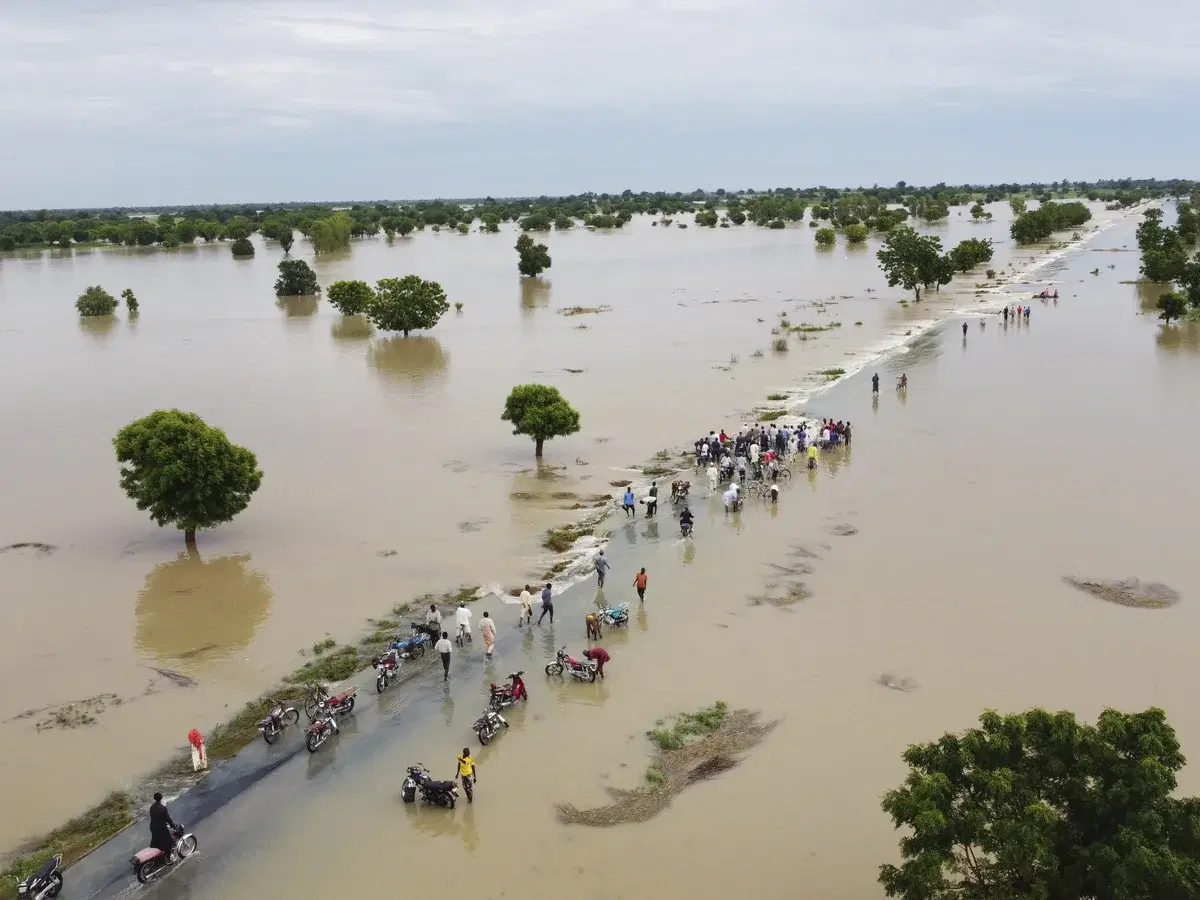
In a race against nature, the governments of Yobe, Adamawa, and Borno states are unveiling urgent emergency response strategies to combat anticipated flooding. The Nigerian Meteorological Agency (NiMet) and the Nigeria Hydrological Services Agency have issued dire warnings about potential floods, storms, and prolonged dry spells throughout the country. With the threat looming large, officials are stepping up efforts to safeguard vulnerable communities. Dr. Ibrahim Jalo, Director of Search and Rescue Operations at the Yobe State Emergency Management Agency (YOSEMA), is spearheading these initiatives, emphasizing the need for immediate action.
The response plans are comprehensive. YOSEMA has activated real-time river monitoring systems in key riverine areas, and critical partnerships are forming with security agencies, local ministries, and humanitarian organizations. "We have established Early Warning and Action Committees in local government areas to ensure grassroots preparedness," Dr. Jalo stated. The agency has also earmarked relief materials for 60,000 households, including 7,400 sandbags for embankment construction in flood-prone zones. Relief supplies are strategically positioned in Damaturu, Potiskum, and Geidam, ensuring rapid access when emergencies strike.
The history of flooding in this region underscores the urgency of these measures. Past episodes of devastating floods have resulted in significant property damage and displacement. In 2025, Adamawa's Yola area suffered heavily from blocked drains and inadequate drainage systems, leading to widespread flooding. This year, the state is taking a more proactive approach. Permanent Secretary of the Ministry of Environment, Mrs. Syngana Dahdah, has outlined plans to demolish houses built on waterways as a crucial step in flood mitigation. Residents who received demolition notices must vacate immediately, signaling a firm stance against further encroachment on vulnerable areas.
The repercussions of these floods extend beyond immediate physical danger. Thousands of lives hang in the balance, and community reactions reflect a mix of fear and determination. Local leaders and residents are urged to heed early warning signals and cooperate with emergency services during evacuations. "We have identified safe locations for evacuees in several towns, including Geidam and Yunusari," Dr. Jalo added, emphasizing the importance of community involvement in disaster preparedness.
Looking ahead, readers should keep a close eye on the developments in Yobe, Adamawa, and Borno. With the rainy season approaching, the National Emergency Management Agency (NEMA) is enhancing public awareness campaigns on disaster preparedness. The situation remains fluid, and as officials ramp up their efforts, the lives of many depend on timely responses and community resilience against the impending floods.