
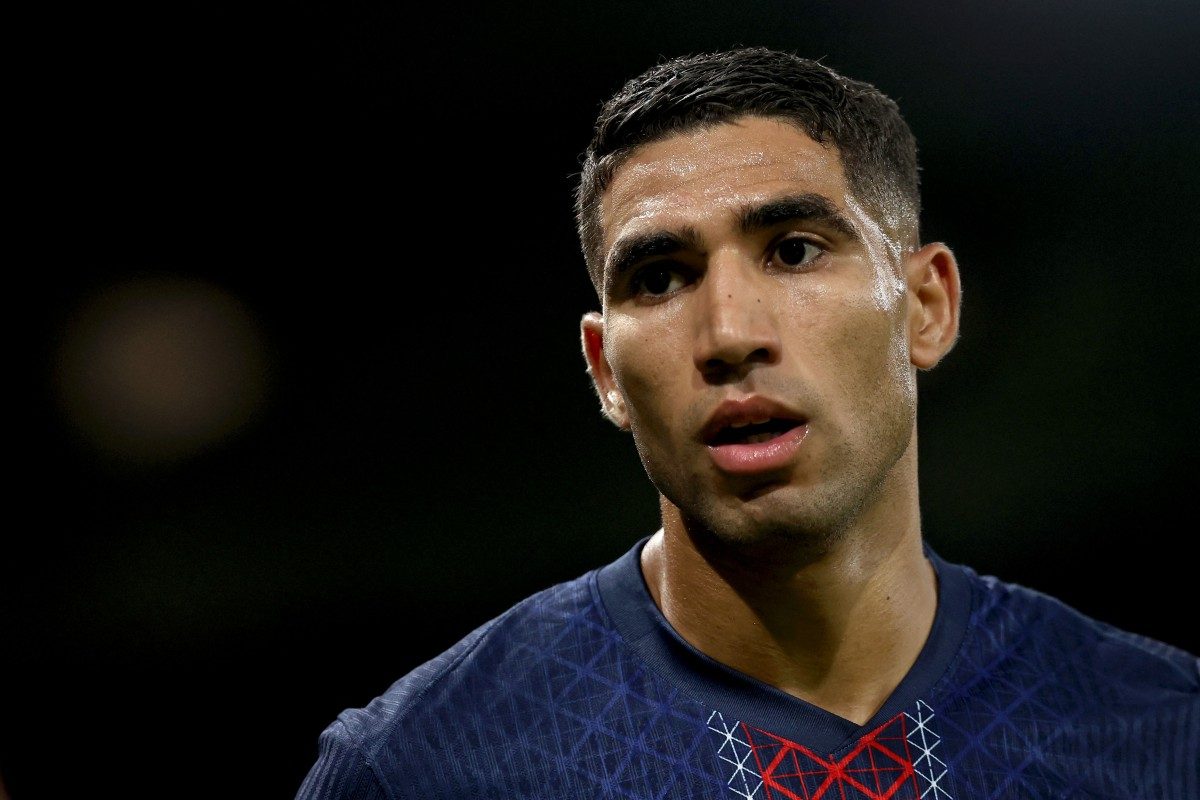
Paris Saint-Germain defender Achraf Hakimi stands at a critical crossroads as he seeks to have serious rape charges against him dismissed in a Versailles appeals court. The hearing, held on a tense Friday morning, focuses on the allegations made by a woman in early 2023, which have now escalated into a trial. The 27-year-old Moroccan international faces accusations that could irreparably damage his reputation and career, especially as he prepares to participate in the 2026 World Cup. Hakimi's bid for dismissal is particularly urgent, with a court decision expected on June 19, the same day he is set to join his team in a crucial match against Arsenal in the UEFA Champions League final in Budapest.
The case has garnered significant media attention, especially given Hakimi's status as a global football star. The woman, then 24, reported to police that Hakimi raped her after they met through Instagram. According to her account, she traveled to his home in Val-de-Marne, where the alleged assault took place. Hakimi, who has vigorously denied the accusations, faces a serious risk: if his appeal fails, he will face trial on a date yet to be determined. His lawyer, Fanny Colin, has previously expressed skepticism about the credibility of the claims, noting that the case relies heavily on the woman's testimony. "The accusation rests solely on her word, and she obstructed all investigations," Colin stated.
This shocking case has roots that trace back to the beginning of 2023, when the woman first reported the incident to authorities. The police investigation, which led to formal charges against Hakimi, has stirred controversy and debate regarding the handling of such allegations in the world of professional sports. Hakimi, who joined PSG from Inter Milan in 2021, rose to fame not just for his speed and skill on the field, but also for being a key player in Morocco's historic journey to the World Cup semi-finals in Qatar in 2022. The juxtaposition of his achievements with the gravity of the charges against him creates a compelling narrative that has captivated fans and critics alike.
The implications of this case extend beyond Hakimi himself. Should the charges lead to a conviction, they would not only impact his career but also send ripples throughout the football community and the larger societal discourse on consent and accountability. Reactions from fans are mixed; while many continue to support Hakimi, others express outrage at the allegations and call for justice for the victim. Experts in sports law and gender rights emphasize the importance of addressing such serious claims, as they reflect broader societal issues regarding power dynamics and the treatment of women in sports.
As the June 19 decision approaches, all eyes will be on the Versailles appeals court. Should his appeal be rejected, Hakimi could find himself embroiled in a lengthy trial that could overshadow his professional commitments. For now, the football world holds its breath, awaiting the outcome that could alter the course of Hakimi's career and influence the conversation around athlete conduct and legal accountability in sports.