
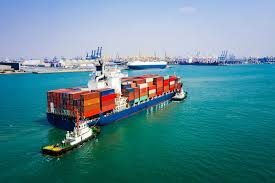
The planned increase in shipping charges by shipping companies has ignited fierce opposition from the Importers Association of Nigeria (IMAN). President Joseph Adjoko revealed that if implemented, this hike could push the cost of clearing goods at ports from N15 million to nearly N20 million. This surge threatens to worsen inflation and burden consumers already grappling with escalating prices. "This increase will directly impact the economy and the masses," Adjoko stated, painting a grim picture of the financial strain facing both businesses and everyday Nigerians.
According to IMAN, the proposed increase comes at a time when importers are already struggling with poor sales due to high costs. Adjoko emphasized that warehouses across the country are filled with unsold goods, as consumers tighten their belts amid rising prices. "Our warehouses are full, and there are no buyers because of the high cost of goods. Now they want to increase the cost again," he lamented. The implications of this hike are significant, with importers warning that the additional costs will inevitably be passed on to consumers, exacerbating the ongoing inflation crisis.
This situation didn't arise overnight. The roots of the proposed shipping charge increase can be traced back to global economic pressures and conflicts that have affected shipping operations worldwide. However, importers insist that they should have been consulted during discussions about these charges. "We asked them to provide templates showing how they arrived at the charges, but they could not provide any," Adjoko noted, highlighting a troubling lack of transparency in the process. Importers feel sidelined and voiceless in decisions that will heavily impact their livelihoods and consumers.
The consequences of this proposed increase extend beyond the business sector. Ordinary Nigerians will feel the pinch as prices for everyday goods rise. Officials and experts warn that this could lead to a further slowdown in economic activity, as consumers are forced to cut back on spending. Rebecca Adamu, spokesperson for the Nigerian Shippers’ Council, stated that while the organization plays a mediating role, the ultimate decision rests with shipping companies and stakeholders. This leaves many importers frustrated and concerned about their future.
As this situation unfolds, all eyes will be on the Senate, which has previously intervened in shipping matters. Importers urge officials to reconsider the proposed charges and involve them in discussions to ensure fair practices. The outcome of this debate will likely set the tone for Nigeria's economic landscape in the coming months, and stakeholders are eagerly awaiting a resolution that will safeguard their interests and the wellbeing of consumers.