
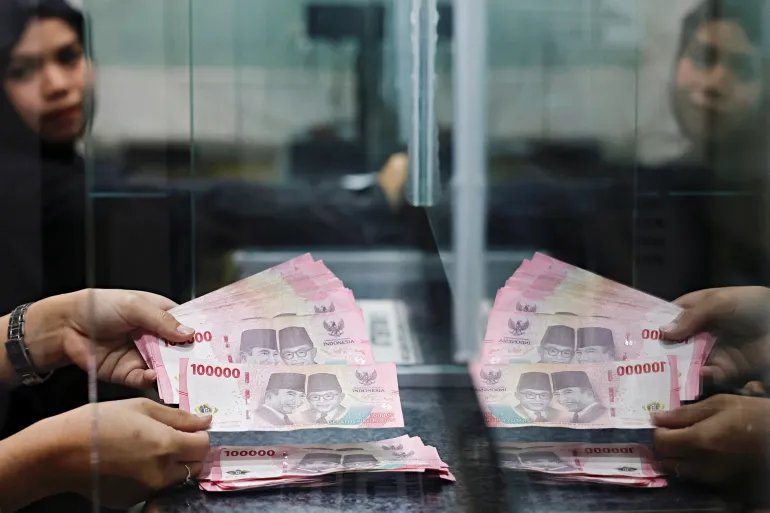
Indonesia is grappling with a historic economic crisis as its currency, the rupiah, plummeted to an alarming 18,028 against the US dollar on June 4, 2026. This marks a significant breach of the psychological 18,000 threshold, sending shockwaves through the Southeast Asian economy. The rapid decline comes on the heels of escalating energy prices driven by the ongoing conflict involving the US and Israel in Iran, which has cast a long shadow over energy-importing nations like Indonesia and the Philippines.
The situation has worsened despite the Indonesian central bank's efforts to stabilize the currency. Josua Pardede, chief economist at Permata Bank, noted that the rupiah's depreciation reflects soaring demand for dollars due to climbing crude oil prices and a dwindling trade surplus. "The exchange rate hitting 18,000 is a psychological threshold for market investors," he stated, emphasizing the urgency of the crisis. Indonesia's trade surplus has crumbled, dropping from $3.3 billion to a mere $89 million in April, further constricting the dollar supply in the market.
Historically, Indonesia has faced challenges with its currency, but recent events have escalated the crisis. The current energy shock has roots in the geopolitical landscape, with the Iran conflict exacerbating global oil prices and impacting trade balances across Southeast Asia. As a net oil importer, Indonesia feels the brunt of these rising costs, which threaten to destabilize its already fragile economy. The central bank's recent rate hike, the first in two years, aimed to counter inflation and support the rupiah, but experts warn that it may not be enough to reverse the downward trend.
The ramifications of this economic turmoil extend beyond currency values; they ripple through everyday life for Indonesians. Rising energy costs threaten to drive inflation higher, affecting household budgets and business operations. Officials and economists are sounding alarms as the economic outlook darkens. "Dollar supply from goods trade is dwindling while the needs for energy imports and foreign debt payments remain high," Pardede explained. This imbalance could lead to further economic instability, not just for Indonesia but for the entire Southeast Asian region.
Looking ahead, all eyes will be on the Bank Indonesia as it navigates this turbulent landscape. Analysts predict that any additional measures to stabilize the currency will be closely scrutinized. As the geopolitical situation continues to evolve, the potential for further economic fallout remains high. The central bank must act decisively to restore confidence and stabilize the rupiah in the face of relentless external pressures.