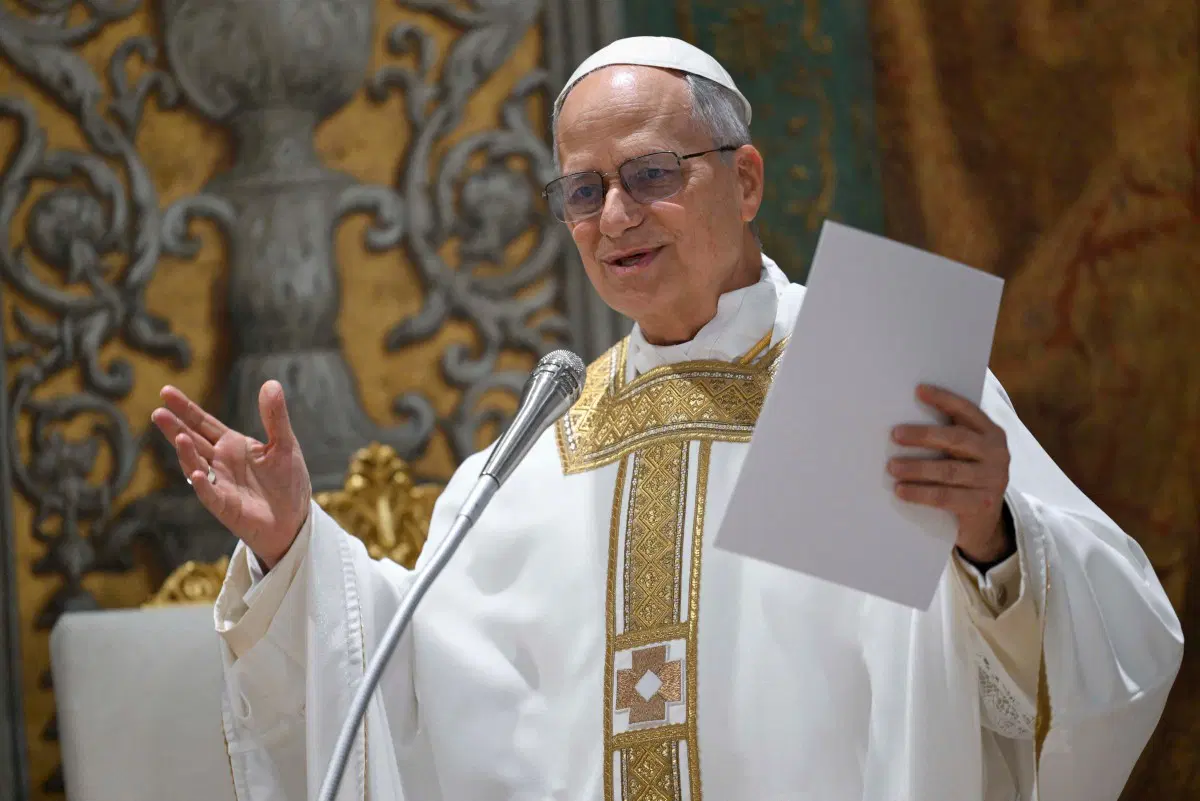
In a groundbreaking address on Monday, Pope Leo XIV delivered a poignant apology for the Catholic Church's long-standing failure to condemn slavery, referring to it as "a wound in Christian memory." This unprecedented acknowledgment comes as the Pope warns against emerging forms of slavery linked to the digital economy. Speaking from Vatican City, he emphasized the need for the Church to confront its past, stating, "For this, in the name of the Church, I sincerely ask for pardon." The Pope’s remarks highlight a significant shift in the Church's stance, urging a reflection on historical injustices that have long been overlooked.
The Pope's statement is not merely a historical footnote; it is a call to action. He pointed out that the Church's complicity in slavery dates back centuries, noting that it owned slaves until the Middle Ages and even counseled European monarchs on justifying the enslavement of non-Christians. In his document "Magnifica Humanitas" (Magnificent Humanity), he underscored that it wasn't until the 1800s that the Church articulated a formal condemnation of slavery. This moment in history is critical as the Pope connects past failings with present challenges, urging a renewed commitment to human dignity in all forms.
Historically, the Church has faced scrutiny over its role in the slave trade. Previous Popes, including John Paul II and Francis, have publicly denounced slavery, yet Leo's apology delves deeper into the Church's historical actions. John Paul II's 1992 condemnation and his broader requests for forgiveness in 2000 were significant, but Leo XIV’s explicit acknowledgment of the Church's historical role marks a new chapter. The Pope’s willingness to confront uncomfortable truths about the Church's past reveals a transformative moment, urging believers to reconcile their faith with history.
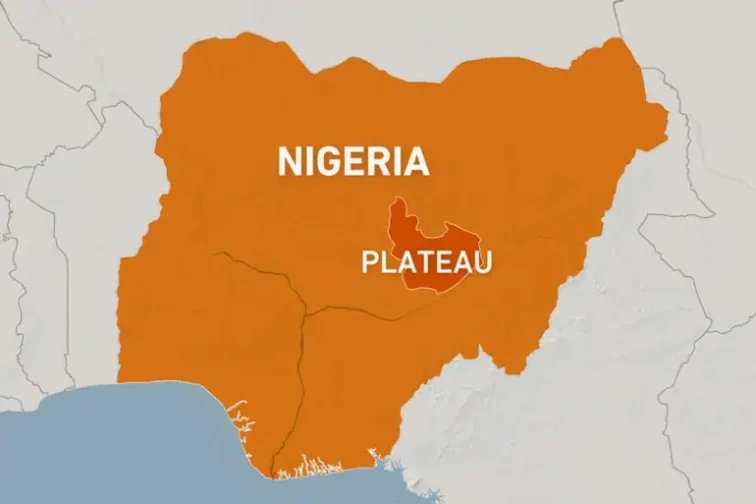
The implications of this apology extend beyond the Church itself. Individuals and communities around the world are affected by the legacy of slavery, and Leo's words resonate with those still grappling with its consequences. Human rights advocates and theologians have welcomed the Pope's acknowledgment as a critical step toward healing. The broader implications for Nigeria and Africa are profound, as many societies continue to struggle with the ramifications of colonialism and exploitation. As one human rights expert noted, "This apology is not just about looking back; it’s about shaping a future free from the chains of the past."
Looking ahead, observers will be keen to see how the Church implements this apology into actionable change. Will it spark a broader movement within religious institutions to confront historical injustices? As discussions around human rights and dignity grow, the Pope's words may serve as a catalyst for a much-needed dialogue about justice and reparations. The world watches closely as the Church reflects on its past and paves the way for a more inclusive future.