
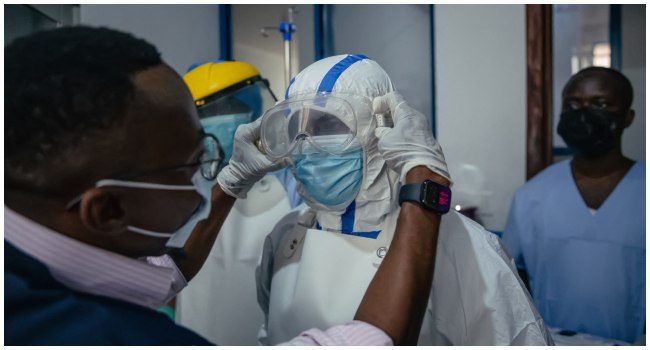
The Nigeria Centre for Disease Control and Prevention (NCDC) has issued a stark warning: the risk of Ebola virus disease (EVD) entering Nigeria is alarmingly high. This warning comes as outbreaks simultaneously ravage the Democratic Republic of Congo (DRC) and Uganda. Although Nigeria remains free of confirmed cases, the surge in regional transmission and increased travel across borders has health authorities on edge. Director-General Jide Idris emphasized that the potential for the disease to breach Nigeria's borders is significant, as the situation continues to evolve.
In a detailed statement released on Sunday, the NCDC classified the Ebola threat as high, citing several key factors. “Our assessment indicates that the ongoing transmission in the DRC and Uganda, coupled with international travel and population movement, puts Nigeria at risk,” Idris stated. He highlighted the challenges posed by overlapping symptoms of local endemic diseases such as malaria and Lassa fever, which could lead to delayed diagnosis. As of now, the NCDC has identified several vulnerable states near land borders and major transport routes, heightening the urgency of their response efforts.
The current situation is not new for Nigeria, which has faced Ebola threats in the past. The nation’s battle against EVD began in 2014, when a major outbreak claimed lives and tested the country’s health infrastructure. Since then, Nigeria has developed robust response mechanisms, bolstered by lessons learned from previous outbreaks. As the DRC and Uganda grapple with their respective crises, Nigeria's historical resilience in managing viral hemorrhagic fevers serves as a crucial foundation for combating potential threats now.
The implications of this risk are significant. If Ebola were to enter Nigeria, the impact could be devastating, especially in densely populated areas. Health experts and officials express concern that a lack of immediate action could lead to widespread transmission. “We are prepared, but we need everyone to stay vigilant,” Idris urged. Public health campaigns are ramping up to spread awareness and combat misinformation about Ebola, as communities are urged to take precautions seriously. The entire nation watches with bated breath, aware that swift action is essential to avert a crisis.
Looking ahead, the NCDC's national Emergency Operations Centre (EOC) is now on high alert, ready to respond at a moment's notice. The agency's incident management system is activated, signaling a commitment to coordination and outbreak response. Public health officials expect to monitor the situation closely, emphasizing that rapid response teams are poised for deployment where necessary. As the threat looms, Nigeria's preparedness and proactive measures will be crucial in safeguarding the nation against this deadly virus.