
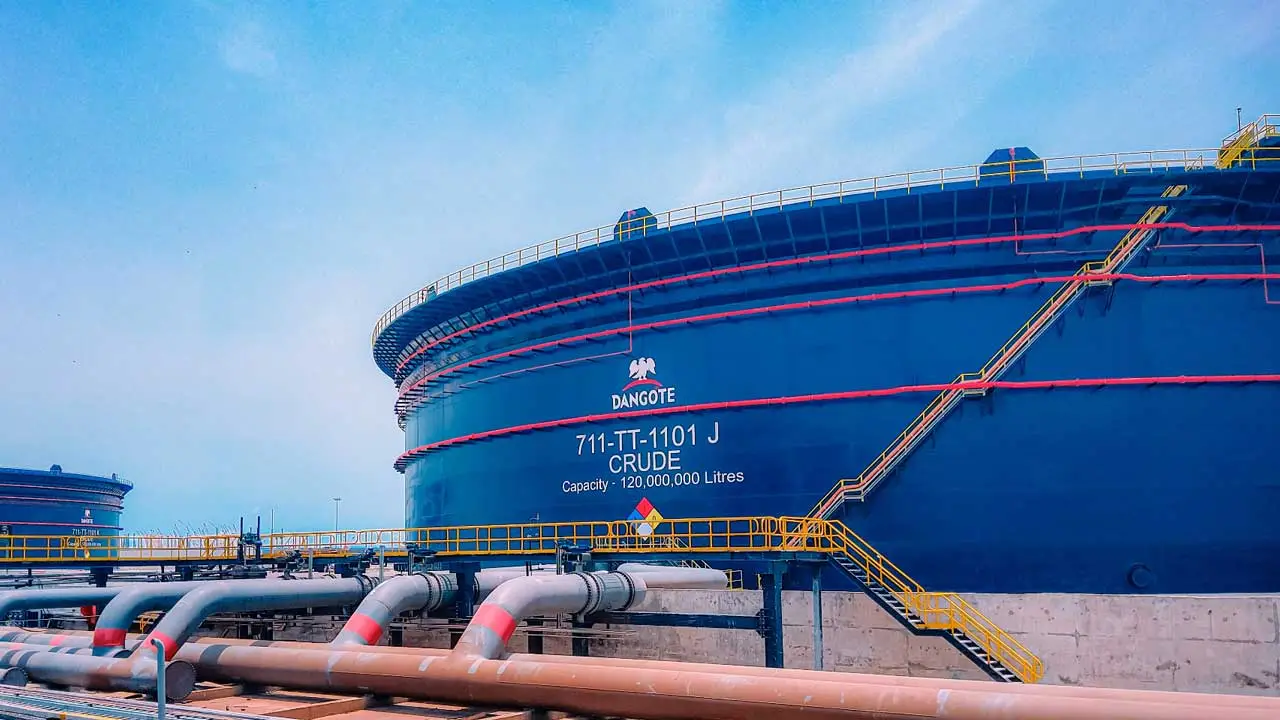
In a pivotal moment for Nigeria, the escalating conflict over the Dangote Refinery has become a focal point for the nation's economic future. This battle, ignited by a lawsuit and regulatory tensions, threatens to expose the fragility of Nigeria's economic framework. As stakeholders clash over control and operational rights, the outcome could reverberate throughout the entire country, impacting millions. The refinery, seen as a cornerstone for Nigeria's oil independence, stands at a crossroads amid rising tensions.
The details of this dispute are intricate. On one side, Aliko Dangote, Africa's wealthiest man, has invested billions into this massive project located in Lagos, hoping to transform Nigeria's oil industry. Opposing him are various regulatory bodies and commercial rivals, who question the legality of his operations and the implications for competition. "This is not just about one refinery; it’s about who controls Nigeria’s economic destiny," stated an anonymous source close to the negotiations. As the stakes rise, the ramifications of this showdown extend far beyond corporate interests.
Understanding the backdrop of this conflict is vital. Nigeria has grappled with a legacy of dependency on oil imports despite being a top oil-producing nation. The Dangote Refinery, set to be the largest in Africa, was envisioned to rectify this imbalance and create jobs. However, years of regulatory challenges and political maneuvering have plagued its progress. The ongoing dispute underscores a deeper systemic issue: the struggle between entrenched interests and the need for genuine economic reform in Nigeria.
The implications of this dispute are profound. Should the refinery falter, Nigeria risks losing a significant opportunity for self-sufficiency in fuel production, which could exacerbate the country's economic woes. Experts warn that this battle could lead to job losses and stifle investment in the sector. Local communities, who pin their hopes on the refinery for employment and economic growth, watch anxiously as the situation unfolds. "This is about our future; we need this refinery to succeed," said a local business leader, reflecting the sentiments of many.
Looking ahead, all eyes are on the resolution of this conflict. Stakeholders anticipate a potential settlement or further legal battles in the coming months. The outcome will not only affect Dangote's ambitions but could also set a precedent for future industrial projects in Nigeria. As the nation grapples with the broader implications of this dispute, the question remains: can Nigeria reclaim its economic independence, or will this moment define its ongoing struggle with systemic challenges?