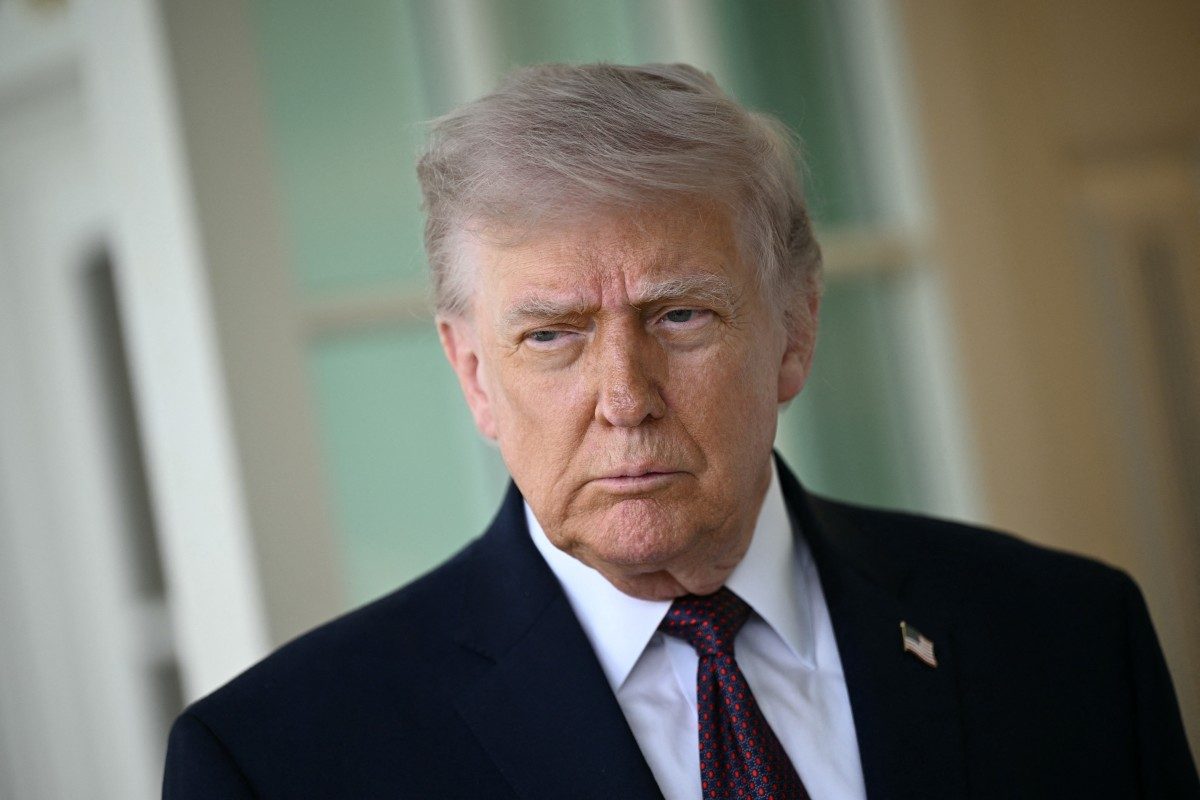
In a startling escalation of rhetoric, the United States government has threatened military action against Cuba, citing national security risks. Secretary of State Marco Rubio declared on Thursday that Cuba’s longstanding ties with adversaries like Russia and China pose a direct threat to the US. President Donald Trump echoed this sentiment, suggesting that he might be the president who finally takes decisive military action against the communist island nation. This dramatic shift in tone signals a potential pivot in US foreign policy, raising alarms both in Havana and on the global stage.
Rubio's comments came after a series of aggressive measures from the Trump administration aimed at destabilizing the Cuban government. The Secretary asserted that Cuba has been a threat for years, and the recent indictment of former President Raul Castro has intensified these tensions. Trump mentioned that US presidents have contemplated intervention in Cuba for decades, but he could be the one to follow through. With military forces reportedly gathering in the Caribbean, the situation is escalating rapidly, and many are questioning the implications of this aggressive posture.
This current crisis has deep roots in decades of strained US-Cuba relations, which have been characterized by economic sanctions and political isolation. The US has steadily increased pressure on Cuba since Trump took office, implementing a fuel blockade that has brought the Cuban economy to its knees. Rubio, a Cuban-American politician, emphasized that the US is not interested in nation-building but rather in ensuring national security. He believes that the Cuban regime cannot survive under its current economic system, claiming it is “broken” and cannot be fixed without significant political change.
The implications of this standoff are profound, affecting not only Cuba but also the entire region and beyond. Cuban Foreign Minister Bruno Rodriguez responded fiercely to Rubio's claims, accusing him of lying to justify potential military aggression that could lead to loss of life on both sides. The Cuban government has historically been resilient, and Rodriguez argued that any military incursion would only exacerbate tensions and draw international condemnation. Public sentiment in Cuba remains staunchly opposed to US intervention, signaling a potential backlash should military action occur.
As the world watches, the question remains: what comes next? Observers should closely monitor the movements of US military assets in the Caribbean and any further statements from both the US and Cuban governments. The potential for conflict is high, and the coming days could prove pivotal for not just US-Cuba relations but for broader geopolitical dynamics in the region. Will diplomacy prevail, or are we on the brink of a military confrontation? Only time will tell.