Rescue teams in Venezuela have pulled two 11-year-old boys alive from the rubble of collapsed buildings more than three days after two powerful earthquakes devastated parts of the country, raising hopes that more survivors may still be found.
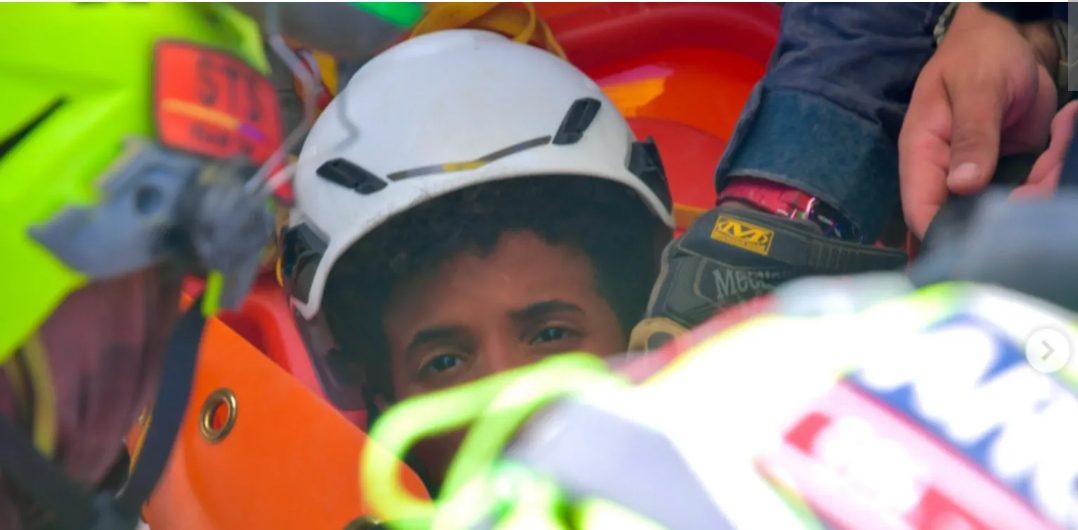
The first boy, identified as Moises, was rescued after spending over 85 hours trapped beneath the debris. Video footage showed emergency responders carefully pulling him from the wreckage with his eyes shielded from the bright sunlight as fellow rescuers applauded the dramatic rescue.
Hours later, Venezuela's interim President, Delcy Rodríguez, announced the rescue of another 11-year-old boy in the coastal town of Caraballeda. She shared a video on social media showing the child being carried down a massive pile of rubble on a stretcher.
"In these hours, every life is hope for Venezuela," Rodríguez wrote.
The rescues come after two powerful earthquakes measuring 7.2 and 7.5 magnitudes struck the country within 39 seconds of each other on Wednesday, triggering the collapse of hundreds of buildings.
Authorities have confirmed that at least 1,430 people have died, while tens of thousands remain missing as rescue efforts continue across the affected regions.
According to Colombia's National Unit for Disaster Risk Management (UNGRD), Moises had been buried beneath approximately three metres of debris. Rescue workers reportedly spent six hours carrying out a delicate and highly coordinated operation to safely free him.
Reports indicated that rescuers discovered the boy near the bodies of his mother and sister, who were unable to survive the disaster.
Officials said the coastal state of La Guaira, particularly the town of Caraballeda, suffered some of the worst destruction.
Despite the passage of more than three days, emergency workers have refused to abandon search efforts, expressing optimism that more survivors could still be found, especially if they have access to food, water or air pockets beneath the collapsed structures.
Rescue operations have, however, been complicated by persistent aftershocks, which continue to threaten both trapped victims and emergency responders.
Thousands of displaced residents are now living in temporary shelters, cars and open spaces, fearing additional building collapses. In Caraballeda, a local golf course has been transformed into an emergency response centre, serving as a makeshift hospital, relief distribution point and helicopter landing zone for humanitarian supplies.
Residents described the emotional trauma caused by the disaster.
Milagros González, whose apartment building survived but was left uninhabitable, said she escaped with her two daughters and elderly relatives.
"We got out alive. The building can't be lived in anymore, but we're alive, and that's what matters," she said.
As search-and-rescue operations continue, authorities remain hopeful that more survivors will be found beneath the rubble, while humanitarian agencies intensify efforts to provide relief for thousands displaced by one of Venezuela's deadliest natural disasters in recent years.