As the conflict in Iran drags into its 87th day, President Donald Trump has thrown a wrench in hopes for a swift resolution, ordering his representatives to take their time with negotiations. On May 25, 2026, Trump expressed on Truth Social that any deal with Iran would only be finalized once certain conditions were met, notably maintaining the blockade on Iranian ships in the strategic Strait of Hormuz until an agreement is certified and signed. This unexpected announcement significantly dampens the optimism that had briefly surfaced following reports of a largely negotiated deal that would reopen the vital waterway, critical to global oil supply.
Details surrounding the negotiations reveal deep-seated divisions between the U.S. and Iran. Iranian state media reported that the U.S. continues to obstruct essential parts of the proposed agreement, particularly Iran's demands for the release of frozen assets totaling billions of dollars. The discord extends to contentious issues like Iran's nuclear ambitions and the ongoing war involving Israel in Lebanon. As the situation evolves, a senior official from the Trump administration conveyed that the complexities of the negotiations have contributed to the delays, indicating that an agreement would not be inked immediately, contrary to earlier expectations.
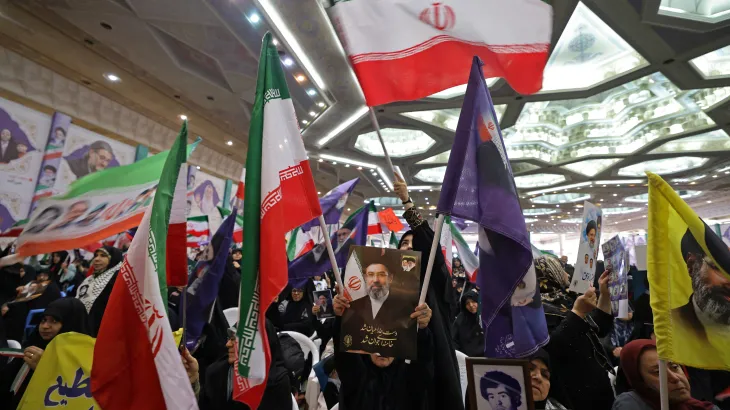
The roots of this conflict trace back to a series of escalating tensions between the U.S. and Iran, exacerbated by stringent sanctions and military posturing. Previous attempts to establish a diplomatic resolution have faltered, leaving both sides increasingly entrenched in their positions. In January, widespread protests erupted throughout Iran, leading to a harsh crackdown by the government, including the recent execution of Abbas Akbari, an individual linked to those protests. This backdrop of unrest complicates the already fraught negotiations and highlights the urgent need for a resolution.
The implications of this stalled deal are far-reaching. Iranian citizens continue to suffer under the weight of sanctions and government repression, while global markets remain on edge regarding oil supplies. Experts warn that prolonged conflict could destabilize the region further, affecting not just Iran but also neighboring countries and the international community. Reactions from officials in both nations reveal a shared frustration; U.S. Secretary of State Marco Rubio stated, "We’re either going to have a good agreement, or we’re going to have to deal with it another way," emphasizing the precarious nature of the current diplomatic landscape.
Looking ahead, observers should brace for a tense period as both nations grapple with their respective demands. The future of U.S.-Iran relations hangs in the balance, with potential developments expected in the coming weeks as both sides reassess their strategies. As the world watches closely, the stakes remain high for a resolution that could either pave the way for peace or plunge the region into deeper turmoil.