
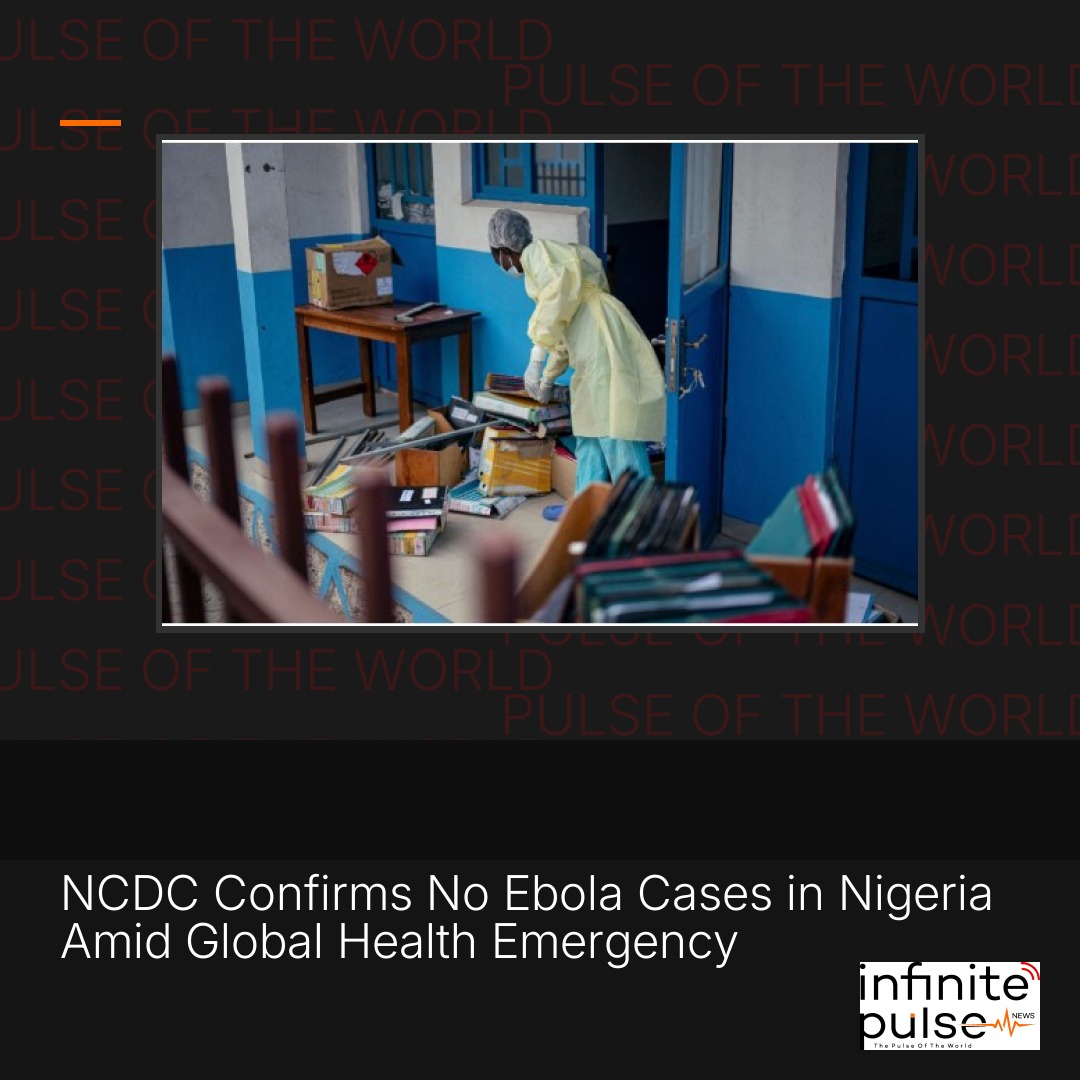
In a crucial announcement, the Nigeria Centre for Disease Control and Prevention (NCDC) declared that as of now, Nigeria has no confirmed cases of the Ebola Virus Disease (EVD). This statement, made on Sunday, comes in the wake of alarming outbreaks in the Democratic Republic of the Congo and a recent case identified in Uganda. Jide Idris, the Director-General of NCDC, emphasized the importance of vigilance, stating, "Nigeria currently has no confirmed case of Ebola Virus Disease." This reassurance arrives as the world grapples with a deadly strain of Ebola that has already claimed over 80 lives in the DRC.
The NCDC's advisory is a response to the rising fears surrounding the Ebola outbreak, particularly after a case was confirmed in Goma, a major city in eastern DRC. The organization is collaborating closely with relevant stakeholders, including the Port Health Service, to enhance monitoring and preparedness. "We are working diligently to ensure that our public health system remains vigilant," Idris added. Citizens are urged to remain calm, avoid spreading misinformation, and adhere to preventive measures such as maintaining hygiene and avoiding contact with bodily fluids from sick individuals.
Historically, Nigeria has faced its own battles with Ebola, most notably during the 2014 outbreak that claimed several lives but was ultimately contained through rigorous public health responses. This latest outbreak in the DRC, characterized by its highly contagious nature, has raised concerns about cross-border transmission. The situation escalated with the discovery of a positive case in Goma, where a woman who had traveled from Bunia, where her husband succumbed to the virus, tested positive. Health authorities are keenly aware of the lessons learned from past outbreaks and are determined to prevent a similar crisis from unfolding in Nigeria.
The repercussions of the Ebola outbreak in neighboring countries are significant. Nigeria's proactive stance aims to mitigate any potential spread, but experts warn that heightened vigilance is essential. Health professionals are advised to recognize symptoms indicative of EVD in patients, particularly those with travel history to affected regions. The World Health Organization's recent declaration of an international health emergency has prompted global concern, which underscores the urgency of the matter. As health officials and the public monitor the situation closely, there is a palpable sense of anxiety surrounding the potential for outbreaks in densely populated areas.
Looking ahead, the NCDC emphasizes the need for continuous monitoring and public education on Ebola prevention. As they activate emergency surveillance measures, citizens should stay informed about updates from health authorities. The unfolding situation in the DRC and its implications for Nigeria warrant ongoing attention. The NCDC's commitment to maintaining public health security will be critical in navigating this precarious landscape of infectious disease threats.