
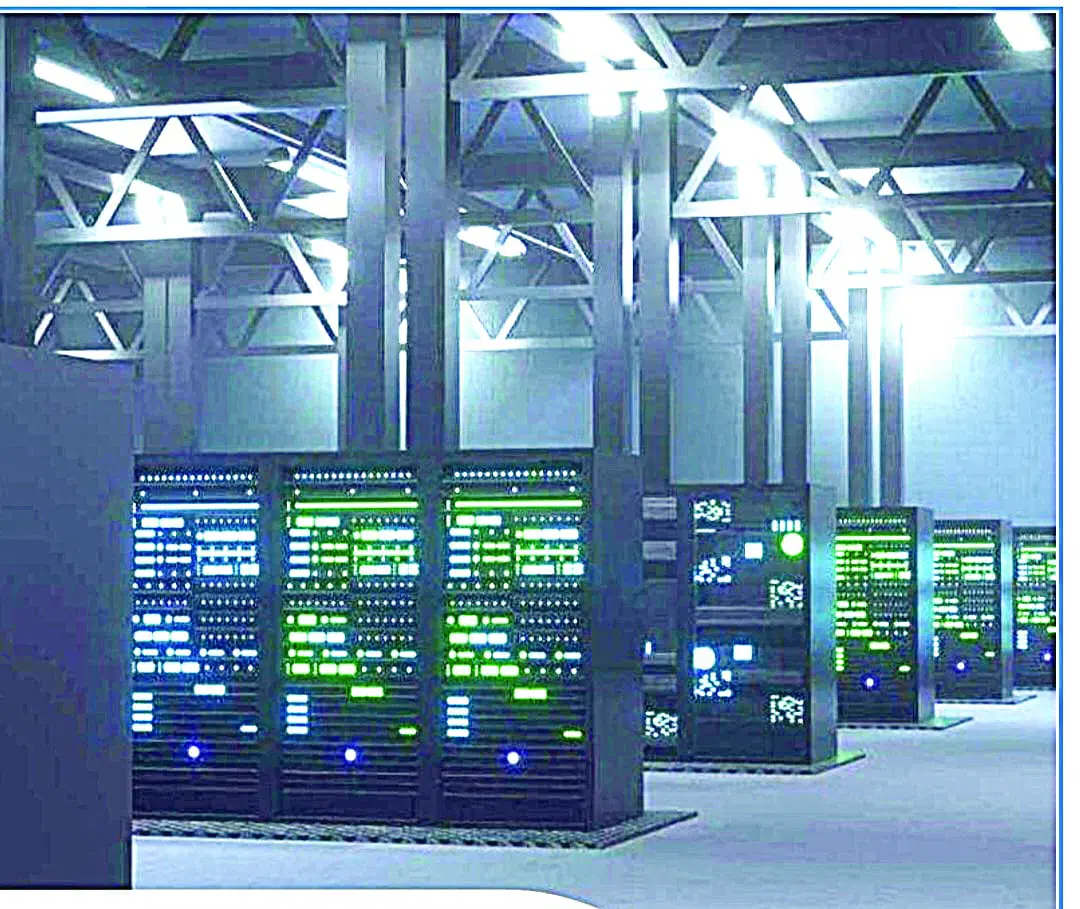
In a groundbreaking development for Nigeria’s tech landscape, Kasi Cloud has officially launched West Africa’s first AI-ready hyperscale data centre in Lekki, Lagos. This ambitious facility, unveiled on May 19, is not just another storage hub; it represents a significant leap towards establishing local infrastructure crucial for the country’s digital future. As Nigeria’s data centre market edges close to a staggering $300 million, the excitement surrounding Kasi Cloud underscores a pivotal moment for the continent’s tech aspirations.
The launch of Kasi Cloud marks a crucial turning point in Nigeria’s reliance on foreign data processing services. Experts have long warned that for every AI operation executed on foreign servers, Nigeria suffers an invisible tax — in terms of latency, financial losses, and compromised data sovereignty. Governor Babajide Sanwo-Olu articulated this sentiment, emphasizing that, "For too long, African innovation has depended on infrastructure built elsewhere." The urgency is clear: without local infrastructures that can handle the demands of modern AI technologies, Nigeria risks falling behind in the global tech race.
Historically, Nigeria's data facilities were developed for a previous internet era, often retrofitted to accommodate contemporary cloud operations. This lack of purpose-built infrastructure has left the country at a disadvantage, struggling to support high-density AI computing and machine learning workloads. Kasi Cloud aims to rectify this by establishing an expansive 100-megawatt facility designed specifically for such needs, setting a new standard for data operations in Africa. This venture is not just about technology; it’s about positioning Nigeria firmly within the global AI economy.
The implications of Kasi Cloud's launch extend beyond technology; they resonate deeply within the economy and society. With local AI computing capacity now a reality, Nigeria stands to benefit significantly from reduced operational costs, increased speed for businesses, and enhanced data security. This initiative also draws attention from investors and tech enthusiasts alike, who view it as a potential catalyst for a broader African tech revolution. As the world grapples with tighter data sovereignty regulations, Kasi Cloud emerges as a beacon of hope, advocating for Africa’s rightful place in the global digital landscape.
Looking ahead, the success of Kasi Cloud could inspire a wave of similar initiatives across Africa, as countries strive to build their own digital infrastructures. As technologies evolve and the demand for AI capabilities continues to rise, observers will be keenly watching how this project unfolds. The future of Nigeria’s tech ecosystem hinges on this bold investment, and its impact will undoubtedly be felt long after its inception. The question remains: will Kasi Cloud lead the charge towards an independent and robust AI-powered Africa, or will challenges ahead hamper its ambitions?