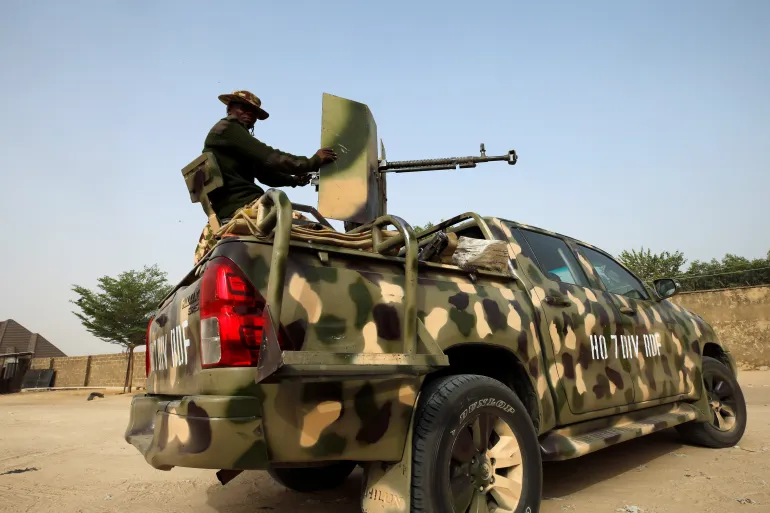
In a powerful display of military cooperation, Nigerian forces, in partnership with the United States, have successfully eliminated 175 ISIL fighters in a series of joint airstrikes in the country's northeast. This operation, which unfolded over recent days, targets key militant positions and logistics hubs, signaling a robust offensive against terrorism in a region plagued by violence. The strikes come at a critical time, as the Nigerian government intensifies its efforts to dismantle terrorist networks threatening national security.
The Nigerian Defence Headquarters confirmed the staggering figure on May 19, 2026, detailing that the coordinated efforts with the US military’s Africa Command (AFRICOM) also destroyed vital infrastructure used by ISIL and its affiliate, the Islamic State West Africa Province (ISWAP). Major-General Samaila Uba, spokesperson for the Defence Headquarters, stated, "As of 19 May 2026, assessments indicate that 175 ISIS terrorists have been eliminated from the battlefield." This operation is not merely about numbers; it reflects a strategic shift in counter-terrorism efforts, aiming to eradicate the influence of extremist groups in Nigeria.
The roots of this conflict run deep, with ISIL and its affiliates having terrorized communities in the region for years. The recent strikes follow a series of successful engagements that have seen the Nigerian military gaining ground against insurgents. Historically, Nigeria has struggled with a complex web of extremist violence, mainly from ISWAP and Boko Haram. The joint operations signify a turning point in the ongoing battle, illustrating a unified front against a common enemy.
The ramifications of this operation extend beyond mere statistics; they resonate deeply within affected communities and military ranks alike. President Bola Ahmed Tinubu hailed the collaboration with US forces, expressing gratitude to US President Donald Trump for his support. "I commend the personnel involved on both sides for their professionalism and courage," Tinubu stated. The Nigerian military's success in neutralizing key ISIL figures, including the elimination of Abu Bilal al-Minuki—ISIL’s second-in-command—emphasizes the importance of international collaboration in combating terrorism. Local populations, long suffering under the weight of violence, may find renewed hope as military successes unfold.
Looking ahead, the international community will closely monitor the outcomes of this operation. As the Nigerian government vows to continue its aggressive campaign against terrorism, observers anticipate further coordinated strikes. The commitment to uproot extremist groups and restore peace in the region remains steadfast. This latest operation serves as a potent reminder of the ongoing struggle against radical violence, and the path forward will require sustained efforts from both Nigeria and its allies to ensure lasting stability.