
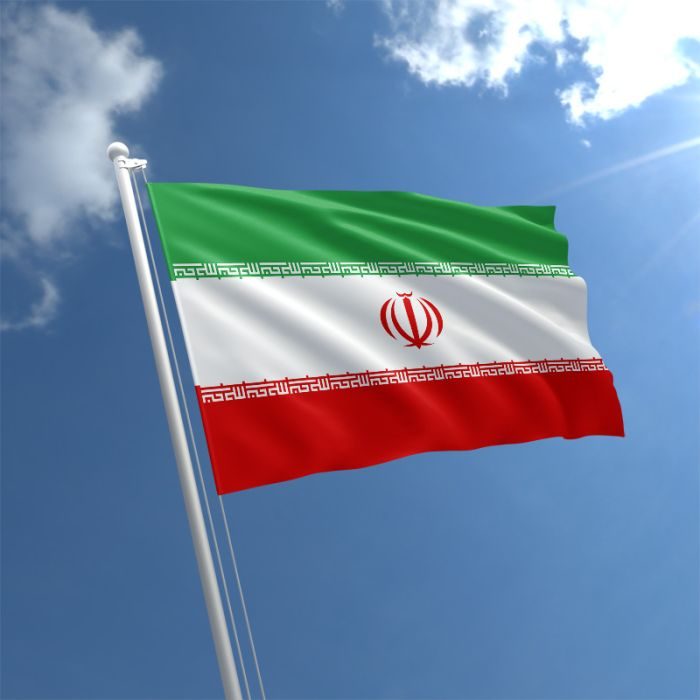
Iran's opening match at the 2026 FIFA World Cup was overshadowed by political tensions, visa disputes, and protests, as several Iranian football officials were forced to watch the game from neighboring Mexico after being denied entry visas into the United States.
The controversy unfolded ahead of Iran's Group G opener against New Zealand in Los Angeles, where members of the Iranian delegation were unable to attend the match in person due to visa restrictions imposed by U.S. authorities. Reports indicate that at least 11 Iranian football officials and support staff were denied visas, compelling them to remain in Mexico while the tournament got underway.
Iran's national team has been based in Tijuana, Mexico, throughout the tournament and has been required to travel into the United States for matches. Team officials and players have complained that the arrangement has disrupted preparations and recovery schedules, with head coach Amir Ghalenoei describing the situation as unfair and detrimental to the team's performance.
Outside the stadium in Los Angeles, hundreds of protesters gathered before kickoff, reflecting deep political divisions within the Iranian diaspora community. While many supporters attended to cheer the national team, others demonstrated against the Iranian government, waving pre-revolutionary Iranian flags and displaying opposition symbols. The demonstrations added a charged political atmosphere to what was expected to be a celebration of international football.
Despite the off-field distractions, Iran fought back twice to secure a 2-2 draw against New Zealand in an entertaining encounter. However, post-match discussions were dominated by concerns over travel restrictions, visa complications, and the broader political tensions surrounding Iran's participation in the tournament.
Iranian captain Mehdi Taremi and coach Ghalenoei subsequently appealed to FIFA for greater support, arguing that the logistical challenges faced by the team have placed them at a competitive disadvantage. FIFA President Gianni Infantino later met with members of the Iranian delegation and reportedly pledged to assist in resolving some of the outstanding issues.
The incident has reignited debate over the intersection of politics and sport, particularly as the United States serves as one of the host nations for the expanded 2026 FIFA World Cup. With Iran still scheduled to play additional matches on U.S. soil, questions remain over whether visa and travel concerns will continue to impact the team's campaign.


