
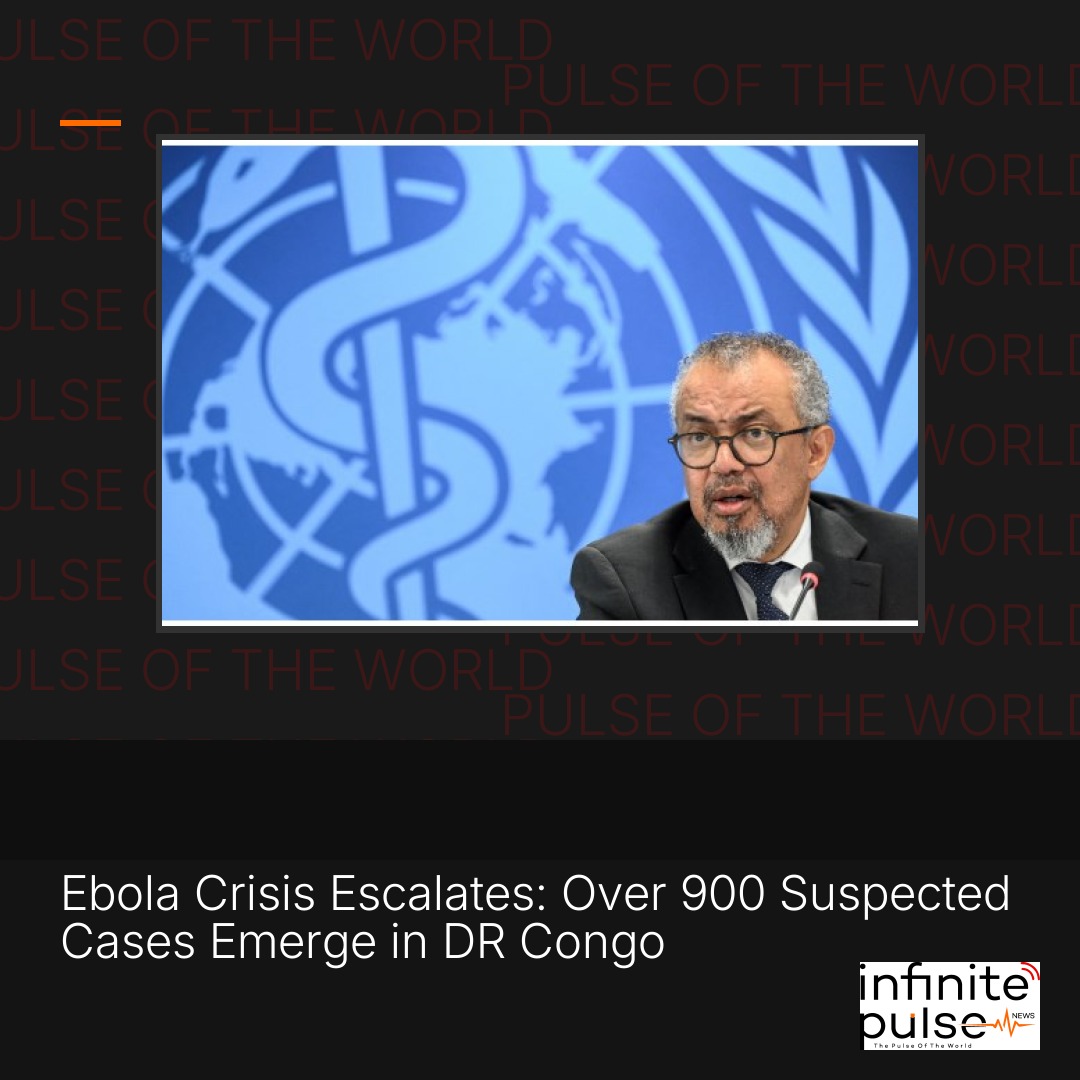
In a shocking revelation, the Democratic Republic of Congo (DRC) grapples with a severe Ebola crisis, reporting over 900 suspected cases since the outbreak declaration. The World Health Organization (WHO) confirmed this alarming statistic on Sunday, with WHO Director-General Tedros Adhanom Ghebreyesus shedding light on the escalating health emergency. The outbreak, declared on May 15, has sent ripples of fear across the nation, particularly as the Bundibugyo strain of the virus lacks any approved vaccines or treatments. The situation is dire, with health officials racing against time to contain the spread in a country already besieged by conflict and instability.
The WHO's Director-General revealed that among the suspected cases, 101 have been confirmed, yet he provided no updates on the death toll, which has already reached 204, according to the DRC's health ministry. The outbreak has primarily impacted three provinces, leading to a surge in medical interventions, including increased surveillance and community outreach. "As surveillance efforts have been scaled up in the DRC Ebola response, we are identifying more cases than ever before," Ghebreyesus emphasized in a social media post, highlighting the urgent need for international support and resources to combat the disease.
Historically, the DRC has faced numerous Ebola outbreaks, with more than 15,000 lives lost across Africa in the past fifty years due to this deadly virus. The current outbreak follows a pattern of previous crises but is particularly concerning due to the Bundibugyo strain, which poses unique challenges in terms of containment and treatment. Previous outbreaks have seen the international community rally in support; however, the ongoing conflict complicates both response efforts and public health initiatives.
The ramifications of this outbreak extend beyond the immediate health concerns. Communities in the DRC are already reeling from the dual impact of violence and disease, leading to increased fear and stigma surrounding the virus. Health officials and humanitarian groups are expressing urgent calls for international aid, with experts warning that if the spread is not contained, the consequences could be catastrophic not just for the DRC, but for neighboring countries as well. "Every day counts in our fight against this outbreak," said a local health official, reflecting the gravity of the situation and the need for swift action.
As the situation develops, the world watches closely for updates on the outbreak and the measures being taken to control it. Health authorities are expected to intensify surveillance and quarantine protocols, while international organizations may mobilize resources to assist in the response. Readers should keep an eye on the unfolding developments, as this crisis could have far-reaching implications for public health across the African continent and beyond.


